


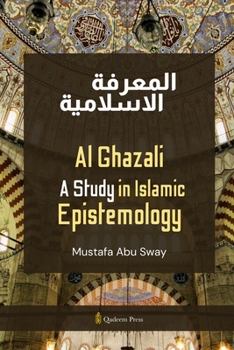
Al Ghazali - A Study in Islamic Epistemology

Al-Ghazālī A Study in Islamic Epistemology offers a comprehensive academic analysis of the development of Abū Ḥāmid al-Ghazālī's theory of knowledge across the stages of his intellectual life.
Rather than isolating a single text, this study examines the full span of al-Ghazālī's writings to trace the genetic development of his epistemology. Beginning with his early engagement in fiqh and uṣūl al-fiqh, the work follows his encounter with dialectical theology (ʿilm al-kalām), philosophy, skepticism, and finally Sufism.
The study is structured chronologically:
His formative scholarly periodHis first phase of public teaching at the Niẓāmiyyah of BaghdadHis withdrawal and years of seclusionHis second teaching period at NishapurHis final intellectual phaseSpecial attention is given to key works such as al-Munqidh min al-Ḍalāl, Iḥyāʾ ʿUlūm al-Dīn, al-Mustaṣfā, Mishkāt al-Anwār, and others, analyzing how al-Ghazālī understood:
The sources of knowledgeThe role of reason (al-ʿaql)The limits of kalāmThe critique of philosophyThe epistemological status of SufismThe relationship between intellect and prophecyThe work also engages prior modern scholarship and evaluates methodological assumptions concerning al-Ghazālī's alleged shifts between kalām, philosophy, Sufism, and ḥadīth methodology.
Scholarly in tone and historically grounded, this volume is essential for researchers, graduate students, and academic libraries concerned with Islamic intellectual history, epistemology, and theology.
It presents al-Ghazālī not as a static thinker but as a jurist-theologian whose epistemological framework evolved within the disciplined boundaries of classical Islamic scholarship.
Customer Reviews
ThriftBooks ® and the ThriftBooks ® logo are registered trademarks of Thrift Books Global, LLC
