


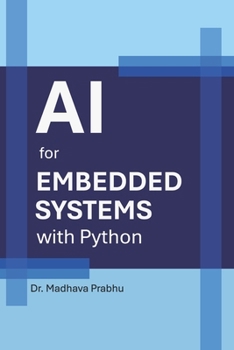
AI for Embedded Systems with Python
No Customer Reviews

In recent years, the rapid convergence of artificial intelligence (AI) and embedded systems has transformed the landscape of technology, enabling unprecedented capabilities in signal processing and automation. "AI for Embedded Systems with Python" serves as a comprehensive resource designed to bridge the gap between theoretical frameworks and practical applications in this burgeoning field. This textbook is meticulously crafted for practitioners, researchers, and students who seek to understand and implement AI technologies within embedded systems, particularly focusing on the integration of AI in operational infrastructures and software environments. The book delves into the intricacies of AI-enabled embedded systems, with a particular emphasis on signal systems that leverage machine learning algorithms for enhanced performance. By exploring embedded AI signal systems and field signal systems, the text provides a thorough examination of how these technologies can be utilized to optimize real-time data processing and decision-making. The practical approach taken throughout the chapters ensures that readers not only grasp the underlying principles but also acquire the skills necessary to implement AI solutions in diverse applications, such as industrial automation, smart cities, and healthcare. A significant portion of the discourse is dedicated to vision and sensor-enabled signal systems, which are pivotal in the collection and analysis of data in various environments. The integration of advanced sensors with AI algorithms enables systems to interpret complex data streams, facilitating the development of intelligent applications that can adapt to dynamic conditions. This book emphasizes the importance of operational software integration, demonstrating how AI can enhance the functionality of sensing technologies, thereby improving safety and reliability in critical applications. Moreover, the text addresses the role of analytics and digital twins in the context of AI-enabled embedded systems. By leveraging real-time analytics, practitioners can gain valuable insights into system performance, leading to more informed decisions and proactive maintenance strategies. The concept of digital twins, which involves creating virtual replicas of physical systems, is explored as a means to simulate and optimize operations, providing a framework for continuous improvement and innovation in system design and implementation. As we look toward the future, this textbook serves as a foundational guide for understanding the intersection of AI and embedded systems, preparing readers to navigate the evolving technological landscape. The discussions on implementation readiness and future technologies equip readers with the foresight necessary to harness emerging trends and drive advancements in AI-assisted signal workflow automation. Ultimately, "AI for Embedded Systems with Python" is a vital contribution to the field, empowering stakeholders to leverage AI's transformative potential in embedded system applications.
Format:Paperback
Language:English
ISBN:B0H9T5PDDR
ISBN13:9798188355739
Release Date:July 2026
Publisher:Independently Published
Length:370 Pages
Weight:1.09 lbs.
Dimensions:0.8" x 6.0" x 9.0"
Customer Reviews
0 rating
Copyright © 2026 Thriftbooks.com
Terms of Use | Privacy Policy | Do Not Sell/Share My Personal Information | Cookie Policy | Cookie Preferences | Accessibility Statement
ThriftBooks ® and the ThriftBooks ® logo are registered trademarks of Thrift Books Global, LLC
ThriftBooks ® and the ThriftBooks ® logo are registered trademarks of Thrift Books Global, LLC
