


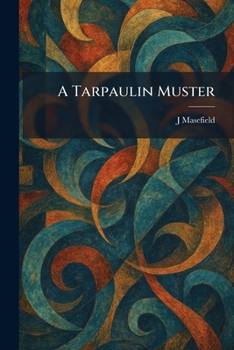
A Tarpaulin Muster

"A Tarpaulin Muster" is a compelling collection of short stories and maritime sketches by the renowned poet and author John Masefield. Drawing deeply from his own experiences at sea, Masefield crafts a vivid tapestry of nautical life, capturing both the harsh realities and the ethereal beauty of the ocean. The work serves as a testament to the traditions and folklore of the maritime world during a transformative era in naval history.
Through these evocative narratives, readers are introduced to a variety of characters, from grizzled veterans of the mast to young sailors navigating their first voyages. The stories blend realism with a touch of the mystical, exploring themes of camaraderie, survival, and the profound connection between man and the elements. Masefield's prose is celebrated for its rhythmic quality and its ability to transport the reader directly onto the deck of a sailing ship.
This collection stands as a significant contribution to early 20th-century sea literature, offering deep insight into the soul of the sailor. Whether depicting a quiet moment on a calm sea or the fury of a brewing storm, "A Tarpaulin Muster" remains an essential read for those captivated by the lure of the deep and the enduring legacy of maritime heritage.
This work has been selected by scholars as being culturally important, and is part of the knowledge base of civilization as we know it. This work was reproduced from the original artifact, and remains as true to the original work as possible. Therefore, you may see the original copyright references, library stamps (as most of these works have been housed in our most important libraries around the world), and other notations in the work.
This work is in the public domain in the United States of America, and possibly other nations. Within the United States, you may freely copy and distribute this work, as no entity (individual or corporate) has a copyright on the body of the work.
As a reproduction of a historical artifact, this work may contain missing or blurred pages, poor pictures, errant marks, etc. Scholars believe, and we concur, that this work is important enough to be preserved, reproduced, and made generally available to the public. We appreciate your support of the preservation process, and thank you for being an important part of keeping this knowledge alive and relevant.
Customer Reviews
ThriftBooks ® and the ThriftBooks ® logo are registered trademarks of Thrift Books Global, LLC
