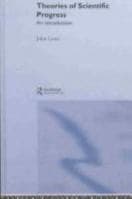
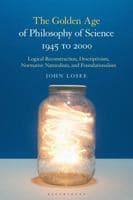
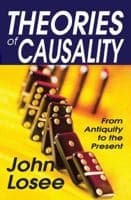
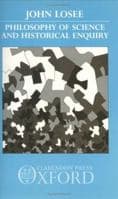
Designed for first-time readers of the subject, this stimulating introduction offers a historical exposition of differing views on the philosophy of science. With concise profiles presenting the major philosophers whose contributions are discussed in this book, Losee explores the long-argued questions raised by philosophers and scientists about the proper evaluation of science. This new edition incorporates contemporary developments in the discipline, including recent work on theory-appraisal, experimental practice, the debate over scientific realism, and the philosophy of biology. Taking a balanced and informative approach, this work is the ideal introductory volume. This description may be from another edition of this product.
This is NOT a basic introduction to philosophy of science; it is a basic history of the evolution of philosophy of science. As such, it serves its purpose very well.
0
★★★★★
Superb HISTORY
By Thriftbooks.com User, December 1, 2005
This is not an introduction to philosophy of science; it is a history of the evolution of philosophy of science. As such, it serves its purpose very well.
0
★★★★☆
As the title says
By Thriftbooks.com User, November 11, 2003
this is an introduction to the history of philosophical thinking throughout history, not an indepth treatment of ethics throughout history as one reviewer criticised it for not being (something it never stated it was).It is thorough without being overwhelming for someone interested in an introduction to philosopphy, and it is interesting not dry and boring or hard to follow as many philosophy books can prove to be. It is exactly what it says it is and does a good job at it.
0
★★★★☆
A nice little volume
By Thriftbooks.com User, December 30, 1998
Losse starts with the Pythagoreans, the atomists, and Aristotle. He ends up discussing Popper, Hempel, Kuhn, Feyerband, Lakatos, and a variety of contemporary philosophers. It's densely packed, and for novices to philosophy or logic it might take some effort, but for those with a little background it is easy and, at least for me, fun.