


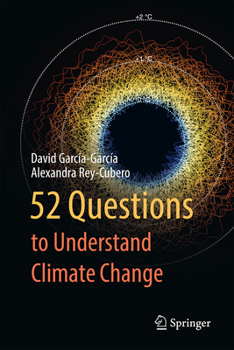
52 Questions to Understand Climate Change

Why did your grandparents die of old age, while your grandchildren may die because of climate change? It is the starkest form of intergenerational injustice: the generations that did least to cause the crisis are the ones who will inherit its harshest consequences. We talk about climate change constantly--but how much do we really understand? If the climate has always changed, why should this change alarm us? What will the world look like when today's children grow up?
52 Questions to Understand Climate Change answers the questions that matter, one at a time, in plain language and grounded in the best available science. It moves from the mechanics of the climate system--greenhouse gases, climate models, ocean acidification, melting ice, rising seas, extreme weather, the spread of disease and the tipping points we may not be able to undo--to the human forces that shape it: our lifestyles, climate anxiety and climate justice, the role of education, political polarization, outright denialism and the influence of capitalism itself. Each short chapter takes a single question and gives a clear, evidence-based answer--cutting through the noise, the myths and the deliberate disinformation.
This is a book for the curious and the concerned, for the worried and even for the skeptical. It does not preach and it does not sugar-coat: it hands you the data, explains what it means, and shows why understanding climate change is the first step toward doing something about it.
Because climate change does not care whether we believe in it--it is happening anyway. What can still change is us. And the future our grandchildren inherit depends on the questions we are willing to ask today.
Customer Reviews
ThriftBooks ® and the ThriftBooks ® logo are registered trademarks of Thrift Books Global, LLC
