


Bestsellers

Imperialism

Colonialism


Globalization

World History Books

Explore the World of Imperialism: Essential Books and Perspectives
Imperialism has shaped world history in profound and lasting ways, influencing cultures, borders, and societies across centuries. Whether you’re a student, a history enthusiast, or simply curious about how empires rise and fall, our collection of imperialism books offers engaging reads and critical insights. Here, you’ll find a diverse range of books on imperialism—from classic literature to in-depth historical analysis—allowing you to discover new perspectives and deepen your understanding of this complex topic.
Classic Literature: Exploring Imperialism Through Storytelling
Some of the most enduring examinations of imperialism and colonialism come from classic fiction. These stories use narrative and character to reveal the personal and societal impacts of imperial power:
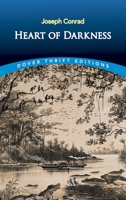
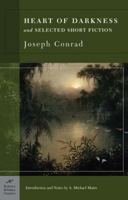
- Heart of Darkness by Joseph Conrad is a seminal work that delves into the darkness at the heart of colonial ambition in Africa. Its exploration of power, exploitation, and the human psyche makes it a must-read for anyone interested in the legacy of imperial rule.
- The Jungle Book by Rudyard Kipling offers more than children’s tales of adventure—it reflects the attitudes and contradictions of British colonialism in India, making it a fascinating starting point for discussions about imperialism in literature.
- Heart of Darkness and Selected Short Fiction provides additional stories by Conrad, further illuminating themes of colonialism, power, and cultural conflict.
Historical Accounts: Understanding Empires and Colonial Legacies
If you’re looking to find books on imperialism that dig into real-world events and their consequences, our collection includes acclaimed nonfiction works for every interest level:
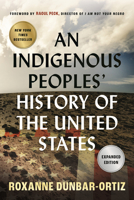
- An Indigenous Peoples' History of the United States by Roxanne Dunbar-Ortiz reframes American history from the perspective of Indigenous peoples, exploring how imperialism and colonialism shaped the continent and its current realities.
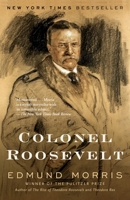
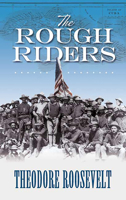
- Colonel Roosevelt by Edmund Morris offers a detailed portrait of Theodore Roosevelt, whose foreign policy and leadership reflected America’s own imperial ambitions in the early twentieth century.
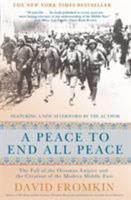
- A Peace to End All Peace by David Fromkin examines the aftermath of World War I and how European powers redrew the map of the Middle East, setting the stage for enduring conflict and reshaping entire societies.
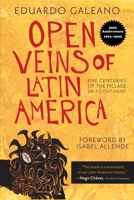
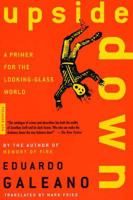
- Las venas abiertas de América Latina by Eduardo Galeano (also known as Open Veins of Latin America) delivers a powerful account of five centuries of exploitation and imperialist intervention in Latin America, making it essential reading for anyone seeking to understand the region’s struggles.
Critical Theory and Political Analysis: Unpacking Power and Resistance
Many books on imperialism approach the subject through the lens of philosophy, politics, and activism. These works dissect the mechanisms of control and resistance, providing crucial frameworks for understanding imperialism’s ongoing impact:
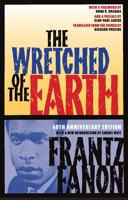
- Les Damnés de la terre (The Wretched of the Earth) by Frantz Fanon is a groundbreaking text on colonialism, decolonization, and the psychology of oppression. It’s highly recommended for readers interested in anti-colonial movements and the fight for liberation.
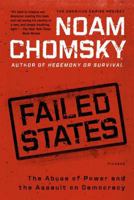
- Failed States: The Abuse of Power and the Assault on Democracy by Noam Chomsky critically examines the role of U.S. foreign policy in global power dynamics, offering a thought-provoking look at how modern imperialism operates in the name of democracy.
Imperialism and Colonialism Books for Younger Readers
Introducing younger audiences to the history of empires and colonialism can help foster empathy and critical thinking. If you’re searching for age-appropriate imperialism and colonialism books, consider:
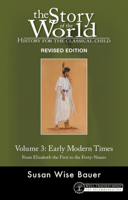
- The Story of the World: History for the Classical Child, Volume 3: Early Modern Times by Susan Wise Bauer provides a sweeping overview of global history, including the rise and impact of empires from the Renaissance onward. Its accessible style makes it a fantastic resource for families and young learners.
- The Jungle Book also appeals to younger readers and can spark conversations about the cultural contexts in which stories are written.
Discovering the Right Book on Imperialism for Your Interests
With so many perspectives and approaches, choosing the right book on imperialism depends on your interests:
- For a literary perspective: Dive into Heart of Darkness or explore more with Heart of Darkness and Selected Short Fiction.
- For global history: Try A Peace to End All Peace or The Story of the World: History for the Classical Child.
- For anti-colonial and activist perspectives: Les Damnés de la terre and Failed States offer powerful critiques.
- For contemporary American and Indigenous history: An Indigenous Peoples' History of the United States provides an essential alternative narrative.
- For Latin American perspectives: Las venas abiertas de América Latina uncovers the long-term effects of imperialist exploitation.
Why Read Books on Imperialism?
Studying imperialism is key to understanding today’s world. The ripple effects of past empires can be seen in modern politics, economics, and social justice movements. By exploring imperialism and colonialism books, you’ll gain:
- Critical thinking skills to analyze current events and international relations
- Empathy for cultures and peoples impacted by colonialism
- Broader historical context for global challenges and conflicts
Whether you’re interested in the philosophical roots of imperialism, the biographies of influential leaders, or the voices of those who resisted and endured, our curated selection helps you find books on imperialism that match your goals and curiosity.
Start Your Journey: Browse and Discover at ThriftBooks
Ready to explore the forces that have shaped our world? Browse our collection of imperialism books to discover classic novels, landmark histories, and powerful critiques. Each title in this collection has been selected to offer fresh perspectives and deepen your understanding of empires, colonialism, and their legacies. Let these books guide your journey through the complexities of history—and inspire new ways of thinking about the present and future.
