


Top Picks







Bestsellers








Fascism


















Europe


















European Books















Political Science
















Politics & Government














Politics & Social Sciences















Discover Fascism Books: History, Analysis, and Perspectives
Understanding fascism and authoritarianism is essential to grasping the complex forces that have shaped modern history and continue to influence global politics. Whether you are a student, history enthusiast, or simply curious about the roots and impact of fascist ideologies, our curated collection of books on fascism offers a broad range of perspectives. Here, you can find books on fascism that explore its origins, evolution, and consequences, helping you make informed and thoughtful reading choices.
Explore Essential Books on Fascism and Authoritarianism
The study of fascism covers more than just political movements—it delves into social, cultural, and psychological dimensions as well. If you’re searching for fascism books that provide deep insights and reliable research, consider these engaging options:
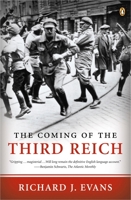
- The Coming of the Third Reich by Richard J. Evans offers a comprehensive account of how Nazi Germany rose from the chaos of post-World War I Europe, making it an essential read for understanding the historical roots of fascist regimes.
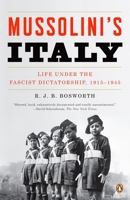
- Mussolini's Italy: Life Under the Fascist Dictatorship, 1915-1945 by R.J.B. Bosworth immerses readers in life under Mussolini’s rule, illustrating how fascist policies transformed Italian society.
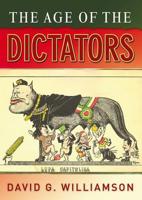
- The Age of the Dictators: A Study of the European Dictatorships, 1918-53 by David G. Williamson provides an in-depth comparative study of fascist and authoritarian regimes across Europe, broadening understanding beyond just Germany and Italy.
- Mediterranean Fascism, 1919-1945 by Charles F. Delzell compiles key documents and analyses to help readers examine the spread and variations of fascism in Southern Europe.
These recommended titles are ideal for readers seeking books on fascism and authoritarianism that combine accessible writing with scholarly depth.
Biographies and Personal Perspectives: Understanding the Figures Behind Fascism
To truly comprehend how fascism develops and persists, it’s helpful to read about the individuals—leaders, thinkers, and citizens—who shaped or resisted these movements. Explore these books for personal and political insight:
- Making the Fascist Self: The Political Culture of Interwar Italy by Mabel Berezin delves into how everyday Italians were influenced and molded by fascist ideology during a pivotal era.
- Mussolini and Italian Fascism by Giuseppe Finaldi serves as an accessible introduction to Mussolini’s life, political strategy, and the broader context of Italian fascism, making it a useful resource for students and newcomers.
- American Fascists: The Christian Right and the War On America by Chris Hedges examines contemporary movements in the United States through the lens of authoritarian tendencies, offering a provocative look at how fascism manifests in different settings.
- Fujimori's Peru: Deception in the Public Sphere by Catherine M. Conaghan explores authoritarianism outside of Europe, focusing on political manipulation and public perception in modern Peru.
Each of these books on fascism illuminates the personal experiences, motivations, and consequences of living under or resisting authoritarian regimes.
Theories and Analyses: Understanding How Fascism Works
If you’re interested in the philosophical and political frameworks that underpin fascism, our collection includes books that dissect the ideologies and systems behind authoritarian rule. These are ideal for readers who want to engage critically with the subject:
- Politics and Vision: Continuity and Innovation in Western Political Thought by Sheldon S. Wolin explores the evolution of political philosophy, including the dynamics of fascism and totalitarianism, making it a foundational text for understanding how authoritarian ideologies develop and persist.
- 9-11 Descent into Tyranny by Alex E. Jones investigates the erosion of democratic freedoms and the rise of authoritarian practices in the modern era, connecting historical patterns to current events.
These books on fascism and authoritarianism offer readers the tools to recognize, analyze, and question the forces that threaten democratic societies.
Comparing Global Approaches to Fascism
The history and impact of fascism are not confined to one country or continent. For those interested in broadening their perspective, our collection features fascism books that explore its global reach:
- Mediterranean Fascism, 1919-1945 provides a comparative view of how fascism took root in Spain, Portugal, and other Mediterranean countries, highlighting both shared traits and local variations.
- Fujimori's Peru: Deception in the Public Sphere offers a compelling case study of authoritarianism in Latin America, ideal for readers wishing to explore how these themes play out beyond Europe.
These titles help readers find books on fascism that go beyond the well-known examples, providing a fuller understanding of its worldwide impact.
Choosing the Right Book on Fascism for Your Interests
With so many books on fascism to choose from, finding the right fit depends on your background, reading goals, and interests. Here are some tips to help guide your selection:
- For beginners and students: Start with overviews like Mussolini and Italian Fascism or The Age of the Dictators for clear and accessible introductions.
- For deep historical analysis: Delve into The Coming of the Third Reich or Mussolini's Italy for detailed narratives and context.
- For contemporary relevance: Consider American Fascists or 9-11 Descent into Tyranny to understand how authoritarian trends appear in today’s world.
- For global and comparative perspectives: Mediterranean Fascism, 1919-1945 and Fujimori's Peru offer valuable insight into variations across different cultures and eras.
- For readers interested in ideology and culture: Making the Fascist Self explores how individuals and societies internalized fascist values, blending history with cultural analysis.
Why Read Books About Fascism?
Understanding fascism’s past and present is key to recognizing the warning signs of authoritarianism and protecting democratic values. The books on fascism featured in this collection offer factual accounts, critical analysis, and personal stories that can help readers of all backgrounds:
- Recognize patterns in history and politics
- Develop critical thinking skills to assess contemporary issues
- Gain empathy for individuals and societies affected by authoritarian regimes
- Engage in informed discussions about democracy, human rights, and freedom
Start Your Journey: Find Books on Fascism Today
Whether you’re looking for a foundational overview, a detailed case study, or a thought-provoking analysis, ThriftBooks makes it easy to find books on fascism that meet your needs. Browse our collection and discover the titles that will expand your understanding of one of the most consequential political phenomena of the last century.
Dive into our curated selection and learn from historians, political thinkers, and eyewitnesses. Every book is an opportunity to engage with the past so that we can better shape our future.
