


Hideki Wada
Books by Hideki Wada

感情的にならない本
Out of Stock
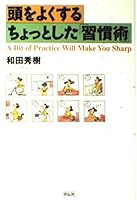
A Bit of Practice Will Make You Sharp
Out of Stock

Otona No Tameno Dokushohō
Out of Stock

80歳の壁
Out of Stock
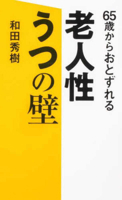
The Wall of Senile Depression
Out of Stock

77 Habits for Brain Exercises (Chinese Edition)
Out of Stock

The Art of Aging Without Regrets
Out of Stock

Arekore kangaete ugokenai o yameru kokonotsu no shukan.
Out of Stock

No Depression in Midlife
Out of Stock

80 Proposals for a Happy Life and Slow Aging
Out of Stock

I'm Not Sick, But I Feel Uncomfortable When I See My Husband (Chinese Edition)
Out of Stock

Getting Smarter After 60: A Moment Between Brain and Mind (Chinese Edition)
Out of Stock

The Grace of Aging (Japanese Edition)
Out of Stock

Dementia Is Not the End of Life (Chinese Edition)
Out of Stock

Jōshi o omoi no mamani tsukaikonasu hon : Taipubetsu shinri no tsubo o osaeru
Out of Stock
Author Bio
The practical voice of later life
Hideki Wada’s books circle questions many people postpone until they can’t: What happens to motivation as the years stack up? What do you do with low mood that doesn’t look dramatic from the outside? The titles point toward everyday thresholds, including habits, practice, and walls, suggesting a reading experience built from short steps rather than sweeping reinvention. Looking for a single grand theory, you may find something else: a steady insistence on the small lever, the repeatable action, the next workable choice.
Walls, habits, and the stubborn middle of the day
Several of his best-known titles use the image of a wall. A wall is blunt, though you can lean on it, measure yourself against it, and sometimes find a way around it. 80歳の壁 signals a specific threshold: not “aging” in general, but the felt difference of being on one side of a number and then the other. It speaks to readers who want language for what changes late in life, and to caregivers asking what “support” really means.
That question returns, in a darker key, in The Wall of Senile Depression. The phrase “senile depression” is old-fashioned and plain; it doesn’t soften the subject. The “wall” suggests the point where reassurance stops working and advice no longer lands. Books like this are sought out quietly, often after a long stretch of “I should be fine.” Not every wall is clinical; some are made of overthinking. Arekore kangaete ugokenai o yameru kokonotsu no shukan. points to a familiar trap: thinking about everything and then not moving at all. The promise of “nine habits” suggests structure, practices you can try, keep, or discard.
Practice as a way of staying sharp
Wada also leans toward the incremental. A Bit of Practice Will Make You Sharp carries a brisk, almost conversational tone. “A bit” matters: the goal isn’t heroic discipline, but repetition that fits into ordinary days. That pairs with 77 Habits for Brain Exercises (Chinese Edition), which frames mental fitness as habits rather than a single “brain game,” so the books become companions rather than one-and-done reads. (You may also see the overthinking title listed as Arekore kangaete ugokenai o yameru kokonotsu no shukan.)
What these books offer
Read together, Wada’s titles map the overlap between mental health, daily function, and aging, books meant to be used. The focus on habits, practice, and walls implies that change is possible but rarely dramatic, more often a matter of friction reduced here, a routine adjusted there, a thought pattern interrupted before it hardens. They also imply respect for the reader’s privacy. Depression in later life is often carried in silence, especially when symptoms don’t match the stereotypes, so a book that names it directly can be a form of permission: to take your experience seriously, to stop calling it laziness, to ask for help. For readers searching for Hideki Wada books in English, the translated titles share the same practical core: clear framing, direct language, and a focus on what can be done next.
If you’re looking to buy Hideki Wada books, you can find great low-cost copies on ThriftBooks.
ThriftBooks ® and the ThriftBooks ® logo are registered trademarks of Thrift Books Global, LLC
