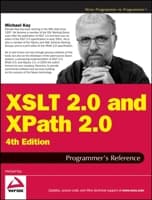
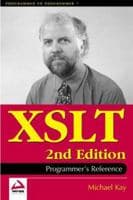
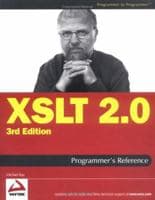
What is this book about? XPath 2.0 Programmer's Reference is the only authoritative reference on XPath, a sub-language within XSLT that determines which part of an XML document the XSLT transforms. Written for professional programmers who use XML every day but find the W3C XPath specifications tough to slog through, this book explains in everyday language what every construct in the language does and how to use it. It also offers background material on the design thinking behind the language, gentle criticism of the language specification when appropriate, and a diverse range of interesting examples in various application areas.
Explains the changes and how to use the new version of the standard. This book got me interested in Lisp and functional programming.
0
★★★★★
Utility manual
By Thriftbooks.com User, May 15, 2007
I'm reading Michel Kay many years ago. The XPath separate book from XSLT book is a very useful tool.
0
★★★★★
Comprehensive and complete coverage of XPath
By Thriftbooks.com User, January 2, 2006
This book is a must have for anybody working with XPath, even XPath 1.0. Michael Kay starts at the beginning with a complete review of the underlying concepts behind XPath and continues through with all the details of how to use XPath day-by-day. Along the way he points out a lot of gotchas that you're sure to get burned by if you're not aware of them. Throughout he carefully explains what is applicable to version 1.0 vs. 2.0 and highlights the breaking changes between the two versions.
0
★★★★★
Very in-depth
By Thriftbooks.com User, November 20, 2004
This is, as you would expect from Michael Kay, an excellent and extremely in-depth work on XPath 2.0. From the basics of the object and typing model, through the syntax and into a function reference. In my opinion most average XSLT users could probably get away with the XPath coverage in Michael's other book XSLT 2.0 for Programmers. But for those implementing XPath, or who are using it as a central architectural mechanism, you will want the in-depth coverage in this book.
0
★★★★★
Written by an expert for the wannabes.
By Thriftbooks.com User, October 11, 2004
This book is destined to be the prefered reference. It is well written in great depth and detail. You will however almost definitely want the XSLT 2.0 by the same author if you are new to this area as the examples in this book are more extensive with case studies, as opposed to the code snippets you'll find in here. The book is not a tutorial, but instead aims at complete and detailed coverage and describing the differences between 1.0 and 2.0.