


Words That Last
No Customer Reviews

In her third memoir, Dr. Keiko Honda writes from a particular threshold: her daughter's room stands empty, her father's voice thins across long-distance calls, her mother speaks to her six times daily though she's been dead for six years. Living alone in Vancouver with her cat Pumpkin, Honda finds herself between languages, between countries, between the body she had and the body she inhabits now. She turns to the Japanese poets who shaped her before she knew what poetry was: Matsuo Basho, who found karumi (lightness) on swollen feet; Sei Shonagon, who practiced okashi (delighted noticing) a millennium ago. Through concepts like mono no aware (the exquisite ache of impermanence) and yohaku (the eloquence of empty space), Honda excavates a way of attending to the world that her Western training had obscured. What emerges is something rare: a practice of awareness that treats everyday objects-- rain chains, teacups, her daughter's silence-- as literature itself. Each essay becomes what the Japanese call zuihitsu: following the brush wherever it leads, touching experience lightly enough to let it remain itself.
Format:Paperback
Language:English
ISBN:1773861972
ISBN13:9781773861975
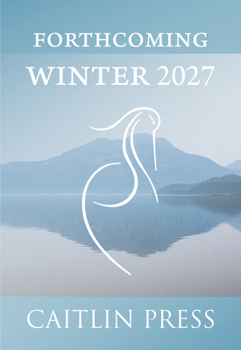
Release Date:February 2027
Publisher:Caitlin Press Inc.
Length:172 Pages
Customer Reviews
0 rating
Copyright © 2026 Thriftbooks.com
Terms of Use | Privacy Policy | Do Not Sell/Share My Personal Information | Cookie Policy | Cookie Preferences | Accessibility Statement
ThriftBooks ® and the ThriftBooks ® logo are registered trademarks of Thrift Books Global, LLC
ThriftBooks ® and the ThriftBooks ® logo are registered trademarks of Thrift Books Global, LLC
