


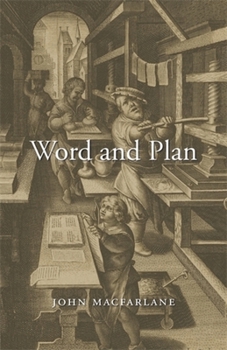
Word and Plan
No Customer Reviews

We commonly believe that communication is successful when a hearer grasps what a speaker means. But Abe can assert "Sam is tall" without having any definite intention about how tall one must be to count as "tall," and Bertha can understand his assertion without grasping such an intention. What exactly has been communicated in such a case? John MacFarlane argues that standard models of meaning and communication cannot answer this question. To answer it, he proposes, we need to see vague talk as not purely factual but in part expressive of linguistic plans. In this book, he gives a novel expressivist account of vagueness and explores its implications for semantics, pragmatics, thought, and disagreement.
Format:Paperback
Language:English
ISBN:023121281X
ISBN13:9780231212816
Release Date:May 2026
Publisher:Columbia University Press
Length:232 Pages
Customer Reviews
0 rating
Copyright © 2026 Thriftbooks.com Terms of Use
| Privacy Policy | Do Not
Sell/Share My Personal Information | Cookie Policy | Cookie Preferences | Accessibility Statement
ThriftBooks® and the ThriftBooks® logo are registered trademarks of Thrift Books Global, LLC
ThriftBooks® and the ThriftBooks® logo are registered trademarks of Thrift Books Global, LLC
