


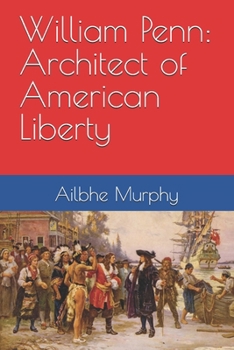
William Penn: Architect of American Liberty

William Penn: Architect of American Liberty
William Penn's remarkable transformation from privileged English aristocrat to America's first great champion of religious freedom represents one of history's most inspiring examples of principled leadership and social innovation. Born in 1644 to Admiral Sir William Penn, young William's conversion to Quakerism in 1666 set him on a collision course with established authority that would define his life's mission.
Penn's repeated imprisonments for his religious beliefs, including his famous 1670 trial that established jury independence, demonstrated his unwavering commitment to liberty of conscience. His extensive writings on religious tolerance and democratic governance provided intellectual foundations for constitutional protections that would later influence American political development.
In 1681, Penn received Pennsylvania as payment for his father's debt to King Charles II, creating the opportunity for his "Holy Experiment"-history's first systematic attempt to organize an entire society around principles of religious freedom, democratic participation, and peaceful coexistence. His Frame of Government pioneered constitutional protections for individual rights, while his fair dealings with Native Americans established unprecedented patterns of intercultural cooperation.
Though financial difficulties and his sons' eventual betrayal of his Native American policies brought personal tragedy, Penn's institutional innovations profoundly influenced the U.S. Constitution and Bill of Rights. His demonstration that societies based on liberty and justice could prosper established enduring precedents for human rights and democratic governance that continue to inspire freedom movements worldwide.
Customer Reviews
ThriftBooks ® and the ThriftBooks ® logo are registered trademarks of Thrift Books Global, LLC
