


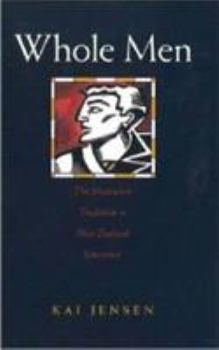
Whole Men: The Masculine Tradition in Nz Literature

Jensen suggests that the aftermath of masculinism still influences the way New Zealand intellectuals see themselves, and that the masculine tradition survives in the writing of Owen Marshall, Sam Hunt, Maurice Shadbolt and even Maurice Gee. At the same time he argues that masculinism underwent a process of change after its high point in the 1940s: Frank Sargeson's closeted homosexuality posed a complex problem for the masculine tradition and its historians, and James K. Baxter's symbolic, Jungian poetry was also hard to reconcile with the idea that men's writing must be based on robust experience. Yet Baxter prepared the masculine tradition for the 1960s and 1970s by renovating the whole man as bohemian lover.
Whole Men is not just about one literary movement, but about how literary culture works, and how New Zealand intellectuals construct their identities.
Customer Reviews
ThriftBooks® and the ThriftBooks® logo are registered trademarks of Thrift Books Global, LLC
