


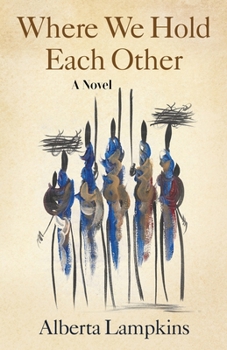
Where We Hold Each Other

Where We Hold Each Other is a moving novel about the quiet, transformative power of community-and the healing that becomes possible when we finally allow ourselves to be held. At the center of the story is Leha Harrington, a dedicated nonprofit leader in North Carolina who has spent her life guiding vulnerable youth with a steadiness she rarely extends to herself. Her closest refuge is her friendship with Safiya, a woman whose wisdom, spiritual grounding, and cultural clarity widen Leha's world and soften her guarded heart. When Leha meets Chemelu, an FSU professor rooted in the African philosophy of Ubuntu-I am because we are-she begins to imagine a life where she no longer has to stand alone.
Leha's world shifts again when she becomes a mentor to Tyashia Harrington, a brilliant but wounded high school senior from Philadelphia. Beneath Tyashia's tough exterior, Leha recognizes a familiar ache-one shaped by loss, resilience, and the unspoken expectations placed on young Black women. With Leha's guidance and Ron's unwavering support as a compassionate youth counselor, Tyashia begins the slow, courageous work of reclaiming her future. As both women step toward healing, their lives intersect in ways that reveal how mentorship can become both mirror and balm, illuminating the parts of ourselves we have learned to hide.
Just as Leha begins to open her heart and trust the possibility of belonging, a long-buried political scandal resurfaces, threatening her nonprofit, her relationships, and the fragile sense of safety she has fought to rebuild. The crisis forces her to confront the cost of carrying everything alone-and the deeper truth that community is not only a place of service, but a place of return.
Blending emotional depth with cultural insight, Where We Hold Each Other is an upmarket novel about the courage it takes to choose vulnerability, the power of sisterhood and intergenerational connection, and the people who strengthen us when fear tries to pull us under. It is a story about healing in community, the legacies we inherit, and the transformative possibility of being truly seen.Customer Reviews
ThriftBooks ® and the ThriftBooks ® logo are registered trademarks of Thrift Books Global, LLC
