


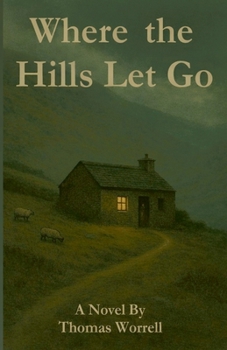
Where the Hills Let Go

In the hills of Merionethshire, Wales, Thomas ap Rhys has spent nineteen years as a county magistrate - signing warrants, levying fines, enforcing the laws that punish his Quaker neighbors for the crime of worshipping in silence. He knows Rees ap John and his family. He has watched Catrin shell peas through hands twisted by illness. He has seen the children in the kitchen. And he has signed every paper the Crown has required, because signing is what magistrates do.
When soldiers come for Rees and the children in the night, Catrin is left clinging to her doorframe, alone in a house emptied of everything but the ring on her finger. What follows breaks the valley open: Rees's imprisonment, Catrin's death, and the slow reckoning of a magistrate who can no longer separate the law he serves from the people it destroys. Before Rees dies in the cell, Thomas makes a promise - to see the children safe, to help them reach the land Rees purchased sight unseen in William Penn's colony. A place called Merion.
Thomas, Rees's sister Alis, and the three children - Richard, Lowry, and young Evan - cross the Atlantic together, carrying a trunk, a ring, a deed, and a grief none of them know how to share. In Pennsylvania, they must build a life from raw land and uneasy trust. Richard, who has not forgiven Thomas and may never forgive him, grows into a man who builds with his father's hands and his mother's patience. The novel follows the family across four generations, from the Welsh hills through the clearing of the land to the birth of Benjamin Jones - the child who will carry the family's name into a world of iron and fire.
Where the Hills Let Go is the first book in The Line of the Black Water, a six-novel series tracing one Welsh Quaker family across three centuries in America, drawn from twenty years of archival research and primary source documents.
Customer Reviews
ThriftBooks ® and the ThriftBooks ® logo are registered trademarks of Thrift Books Global, LLC
