


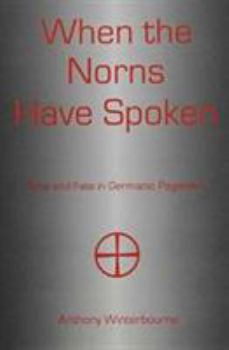
When the Norns Have Spoken
No Customer Reviews

This book argues that within Germanic paganism, considered not as mere cult but as a system of beliefs, it is possible to identify a conceptually coherent understanding of fate which detaches that idea from time, and connects it instead with an implicit theses about the nature of truth as written. Germanic cosmogony, as represented in such precise images as a world-tree, provides a context for an analysis of specific metaphors for the workings of fate as woven or spun by such figures as the Nornsthe Norse goddesses of destiny. Employing both philosophical and mythic-linguistic considerations, this book also offers new insights into the persistence of a residual paganism in the understanding of fate following the Christian conversion.
Format:Hardcover
Language:English
ISBN:1611472962
ISBN13:9781611472967
Release Date:October 2004
Publisher:Fairleigh Dickinson University Press
Length:187 Pages
Related Subjects
PhilosophyCustomer Reviews
0 rating
Copyright © 2026 Thriftbooks.com
Terms of Use | Privacy Policy | Do Not Sell/Share My Personal Information | Cookie Policy | Cookie Preferences | Accessibility Statement
ThriftBooks ® and the ThriftBooks ® logo are registered trademarks of Thrift Books Global, LLC
ThriftBooks ® and the ThriftBooks ® logo are registered trademarks of Thrift Books Global, LLC
