


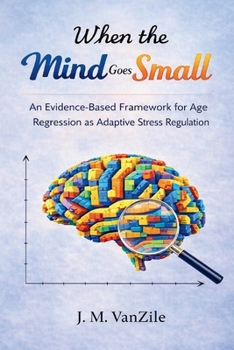
When The Mind Goes Small: Age Regression and the Science of "Going Small"

When stress hits hard enough, the mind can "go small." Words get expensive. Choices feel impossible. Comfort becomes urgent and specific-soft fabric, predictable routines, familiar media, a quiet corner, a soothing object-anything that helps the nervous system downshift.
When the Mind Goes Small reframes age regression through a practical, stigma-informed lens: not as a diagnosis or a moral failure, but as a state-dependent regulation strategy. You'll learn why higher-order coping often disappears under load, how relief becomes conditioned to cues and rituals, and how to build a "cue ecology" that supports regulation without turning comfort into dependence.
This book stays firmly in the safe-for-work lane: it focuses on non-sexual coping, self-regulation, dignity, and consent-based support. It also addresses the real-world complications-shame, secrecy, involuntary state shifts, disclosure risks, relationship balance, and when professional help is the right next step.
Whether you experience small states, love someone who does, or work with clients who describe feeling younger or less verbal under stress, this is a map you can actually use-grounded in stress physiology, learning theory, attachment, and lived community realities.
Inside you'll find:
Clear definitions and "what it is / what it isn't"The science of stress, state shifts, and lost executive functionSensory and routine-based tools that work when thinking doesn'tEthical support: boundaries, privacy, co-regulation, and agencyPractical strategies for entering and exiting states safelyCustomer Reviews
ThriftBooks ® and the ThriftBooks ® logo are registered trademarks of Thrift Books Global, LLC
