


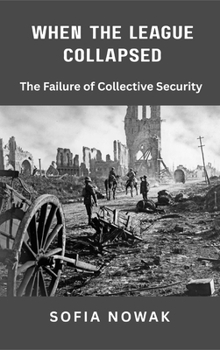
When the League Collapsed: The Failure of Collective Security

In the space where institutions vowed "all for one," aggressors learned to move fast while committees talked. This book reveals how a system built on noble collective security promises collapsed under the weight of unanimity rules, imperial hierarchies, and economic fear. Through gripping case studies-from the Manchuria incident to the Abyssinia crisis and the Rhineland-it shows why rules without capability and will cannot keep the peace. If you care about international relations history and today's fragile order, this is the sharp, usable analysis you need.
- Understand why sanctions failed: what makes sanctions effectiveness real rather than performative
- See how credibility is built and broken, using a practical model of deterrence and credibility
- Learn the design flaws that turned legal commitments into paper shields-and how to fix them in modern institutions
- Trace the path from interwar missteps to the causes of World War II without clich s or hindsight bias
Written for policy readers, historians, journalists, and engaged citizens, it balances rigour with clarity. You'll come away with a mental toolkit for judging any proposed "global solution" who pays, who decides, and what happens when costs bite. From interwar diplomacy to present‐day crises, it offers field-tested principles for the design of global institutions that can act when it matters. If you want fewer surprises on tomorrow's map, start with the lessons Geneva couldn't learn.
Customer Reviews
ThriftBooks ® and the ThriftBooks ® logo are registered trademarks of Thrift Books Global, LLC
