


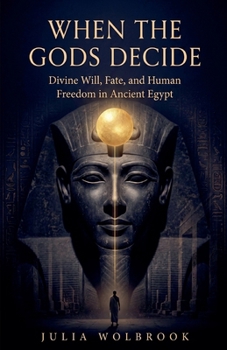
When the Gods Decide Divine Will, Fate, and Human Freedom in Ancient Egypt

Four thousand years before "everything happens for a reason" became a comforting clich , the Egyptians had already built an entire civilization around the question of who, or what, was really in charge of a human life.
They believed a person's fate was written the moment a midwife set them down on a birth brick. That a god's hand could lift a beggar into a king's court or cast a high priest into the street like a stray dog. That wealth, sickness, love, and the length of a life itself were gifts, or judgments, dispensed by powers no mortal could see, and few dared question.
And yet they never stopped trying to bend that will anyway.
They prayed to it. Bargained with it. Confessed to it, flattered it, and, when all else failed, threatened it. They built magic to fight the very fate their gods had decreed, wore amulets against demons that stalked the space between worlds, and inscribed their triumphs and their sins onto stone, hoping a god was somewhere listening.
When the Gods Decide excavates this forgotten vocabulary of divine intervention, word by word, tomb by tomb, prayer by prayer, and follows it forward through the Bible, the Quran, and the proverbs still spoken on the streets of Cairo today. The result is not a dusty study of dead religion, but a strikingly intimate portrait of a question every human being has asked since the first grave was dug: how much of this life is truly mine to choose?
The pharaohs are gone. The question never left.
Customer Reviews
ThriftBooks ® and the ThriftBooks ® logo are registered trademarks of Thrift Books Global, LLC
