


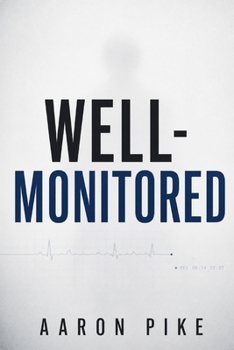
Well-Monitored

Martin Sewell is not sick.
At fifty-one, the divorced technical writer lives alone, works carefully, and has built a life that functions exactly as intended. Then a routine physical leads to a cardiology referral. The cardiologist finds nothing alarming-but recommends a pulmonologist. The pulmonologist sends him to a sleep specialist. The sleep specialist suggests a neurologist.
Each appointment produces reassuring results. Each specialist asks a slightly different question. And each new referral gives Martin something he did not realize his orderly life was missing: a fixed point on the calendar, an accurate record of who he is, and the rare experience of being examined by someone willing to give him their complete attention.
As the referral chain grows, Martin's oldest friend begins to wonder whether the process is still medical. Martin begins to wonder something else: whether it matters.
Because the appointments are not frightening him. They are giving shape to his weeks. They are creating a record that can hold one version of him beside the next. They are offering continuity to a man whose apartment knows his habits but cannot tell him what has changed.
Quiet, unsettling, and deeply humane, Well-Monitored is a literary psychological novel about solitude, institutional care, and the difference between being healthy and being known.
Customer Reviews
ThriftBooks ® and the ThriftBooks ® logo are registered trademarks of Thrift Books Global, LLC
