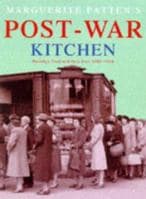
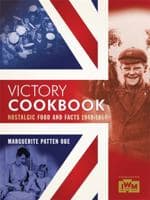
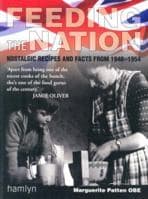
This is a nostalgic look at wartime food and rationing, with authentic recipes from the time, illustrated with authentic photographs, illustrations and cartoons, aiming to give an insight into the spirit and history of the period. This description may be from another edition of this product.
I watched the BBC reality show "The 1940s House" and that led me to this book. If you want a sample of how the women of Britian fed their families (and fed them well) during the shortages and other trials of WWII-check out this book. I've been trying the recipes over the last few months and they're....really good. I even hit the farmer's market and tried my hand at some of the canning recipes! They work! It's humbling to realize how these people had to adapt...imagine using your last onion in the fall and realizing there were no more until spring!!! I've actually added a few recipes to my collection of regular items - the vinegar cake is fabulous (use mini chocolate chips - not available in WWII but a great addition) and the Potato Jane has shown up more than once for dinner. I tried to live a week on the rations allowed at that time but my addiction to Diet Pepsi brought me to my knees I'm afraid. I've always been a big fan of 'cook from scratch' recipes and these recipes take it a step further...here's how to cook (sometimes) when you don't have the scratch!!! Inspiring and humbling I must say.
3
★★★★★
A modern lesson from the past
By Thriftbooks.com User, October 18, 2001
I thoroughly enjoyed reading this informative and well set out collection of wartime recipes. My usual repertoire of family meals has now been extended to include such culinary delights as 'pigs in clover'(baked potatos stuffed with sausage meat on a bed of cabbage) and vinegar cake. Interspersed with advice on diet and wartime thriftiness it strikes an excellent balance between a recipe and history book. The author was herself an advisor to the government during the war years and is able to look back with both nostalgia and humour on what were pretty bleak years. The few illustrations and photographs are well chosen and compliment well the stodgy wartime propaganda and Marguerite Patten's own introduction to the book. The dual purpose of the British wartime government in promoting a good diet whilst maintaining moral and a sense of patriotism is well conveyed in this small volume.