


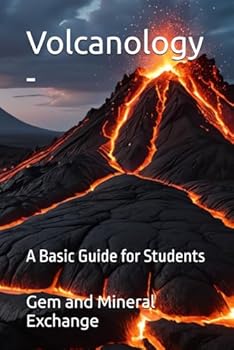
Volcanology -: Comprehensive Guide for Students and Professionals
No Customer Reviews

Volcanology: A Quick Summary Definition and Scope Volcanology is the scientific study of volcanoes, lava, magma, and related geological, geophysical, and geochemical phenomena. It encompasses the formation, distribution, classification, and structure of volcanoes as well as the materials they eject during eruptions, such as pyroclastic flows, ash, dust, and volcanic gases. Historical Context Interest in volcanic phenomena dates back to ancient times. The systematic study of volcanology began in the 19th century with the establishment of observatories like the Vesuvius Observatory in 1841. Historical accounts from figures such as Pliny the Younger provide early insights into volcanic activity. Modern Techniques Volcanologists employ various techniques to monitor and study volcanoes: Seismic Observations: Using seismographs to detect increased seismicity associated with magma movement. Surface Deformation Monitoring: Utilizing geodetic techniques to observe changes in the shape of a volcano that indicate magma accumulation. Gas Emissions Monitoring: Analyzing volcanic gases to predict eruptions based on changes in gas composition. Temperature Measurements: Observing thermal changes in volcanic lakes and vents. Satellite Monitoring: Employing satellites for large-scale observation of ash plumes and gas emissions. Forecasting Eruptions While accurate prediction of eruptions remains challenging, various monitoring techniques combined with historical data can help forecast potential volcanic activity. Successful forecasts have been made in cases like Mount Pinatubo in 1991. Types of Volcanoes There are several types of volcanoes based on their shapes and eruption styles: Cinder Cone: Simple structures formed from small pieces of solid lava. Composite (Stratovolcano): Tall mountains built from alternating layers of lava flows and tephra. Shield Volcano: Broad structures formed primarily by fluid lava flows. Lava Domes: Formed from thick lava that piles up near the vent. Importance of Volcanology Understanding volcanic processes is crucial for predicting eruptions that can threaten lives and property. Additionally, volcanology contributes to resource exploration by identifying valuable mineral deposits associated with volcanic activity.
Format:Paperback
Language:English
ISBN:B0DCN2J1SZ
ISBN13:9798335390385
Release Date:August 2024
Publisher:Independently published
Length:46 Pages
Weight:0.26 lbs.
Dimensions:9.0" x 0.1" x 6.0"
Customer Reviews
0 rating
Copyright © 2026 Thriftbooks.com
Terms of Use | Privacy Policy | Do Not Sell/Share My Personal Information | Cookie Notice | Cookie Preferences | Accessibility Statement
ThriftBooks ® and the ThriftBooks ® logo are registered trademarks of Thrift Books Global, LLC
ThriftBooks ® and the ThriftBooks ® logo are registered trademarks of Thrift Books Global, LLC
