


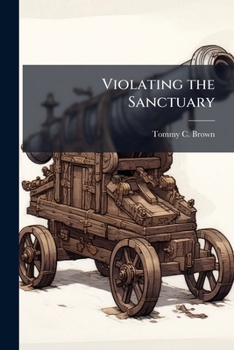
Violating the Sanctuary: The Decision to Arm Space

This study examines the decision to deploy a space-based kinetic kill vehicle (SBKHV) by examining the validity, feasibility, suitability, and acceptability of such a deployment. Determining validity entails verifying that a need exists for the type of capability such a weapon might possess. By examining the development of other conventional weapons capabilities, one may define the operational need behind that development. For example, numerous programs are underway to address the long-term need to extend the standoff engagement range of conventional (non-stealthy) aircraft using precision-guided munitions (PGMs). Other initiatives seek to improve the ability to destroy hardened point targets and to conduct Suppression of Enemy Air Defenses (SEAD). Addressing the feasibility of deploying space-based weapons involves examining the capability of technology to meet the needs of various missions. Initial investigations reveal that relatively "off the shelf" technology could support the development of a SBKKV using hypervelocity impact to destroy terrestrial targets. Assessing the suitability of space-based weapons requires an examination of how operating from space affects the application of technology to the mission. By the nature of its operating medium, a space-based weapon provides unique capabilities and limitations which require consideration in its design and employment. By comparing missions with these capabilities, one may identify requisite assumptions, qualities, and performance characteristics for a space-based system. Examining the acceptability of employing space-based weaponry against terrestrial targets requires weighing benefits gained against costs incurred. Definitive estimation of research/development/procurement/life cycle costs is beyond the scope of this study. However, a relative order-of-magnitude examination of the cost of alternative means of mission accomplishment is not. Similarly, an examination of the political ramifications of such emplo
This work has been selected by scholars as being culturally important, and is part of the knowledge base of civilization as we know it. This work was reproduced from the original artifact, and remains as true to the original work as possible. Therefore, you will see the original copyright references, library stamps (as most of these works have been housed in our most important libraries around the world), and other notations in the work.
This work is in the public domain in the United States of America, and possibly other nations. Within the United States, you may freely copy and distribute this work, as no entity (individual or corporate) has a copyright on the body of the work.
As a reproduction of a historical artifact, this work may contain missing or blurred pages, poor pictures, errant marks, etc. Scholars believe, and we concur, that this work is important enough to be preserved, reproduced, and made generally available to the public. We appreciate your support of the preservation process, and thank you for being an important part of keeping this knowledge alive and relevant.
Customer Reviews
ThriftBooks ® and the ThriftBooks ® logo are registered trademarks of Thrift Books Global, LLC
