


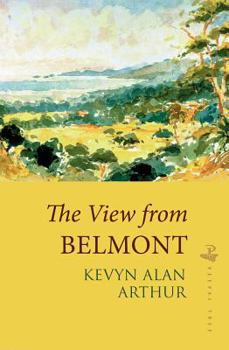
View from Belmont

Clara's letters present the insights of a perceptive, independent-minded and generous-spirited young woman, who is nevertheless wholly committed to the institution of slavery. The letters give a sharp sense of Trinidadian society in the process of formation, but at their heart is an account of Clara's relationships with those with whom she shares her life on the estate, in particular Kano, a 'loyal' slave who she takes to her bed.
For the contemporary Trinidadians, the letters raise troubling questions about the nature of the national psyche, the absence of social consensus and the extent to which the history of that period still shapes the present. This is a comic, painful and moving novel. Its presentation of the cruelties, violence and affections of everyday relations under slavery raise questions not only about the nature of Caribbean societies, but the nature of history and its interpretation.
Customer Reviews
ThriftBooks ® and the ThriftBooks ® logo are registered trademarks of Thrift Books Global, LLC
