


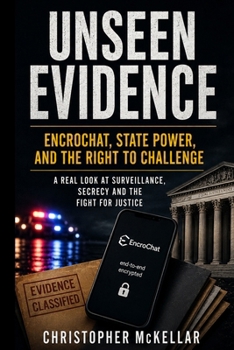
UNSEEN EVIDENCE EncroChat, State Power, and the Right to Challenge

There are moments in history when law enforcement achieves a breakthrough so decisive that it is described as a triumph beyond question. EncroChat was one of those moments.
Across Europe, thousands were arrested. Drug networks were disrupted. Firearms were seized. Organised crime, for a time, appeared exposed.
The headlines were clear: criminals had trusted encrypted phones; the state had outmanoeuvred them.
But beneath the operational success lay something more complex - a shift in how digital evidence could be gathered, classified, and relied upon in criminal courts. The technical method by which EncroChat was compromised was not fully aired in open court. The software used to extract messages was not independently examined by defendants. The classification of the data determined the outcome of admissibility debates before most accused persons ever entered a courtroom.
Efficiency followed.
This book does not dispute that crime exists. It does not argue that those involved in serious offending should escape prosecution. It asks a narrower but more enduring question:
What happens when the evidence cannot be meaningfully tested?
EncroChat was not simply a policing operation. It was a legal turning point. And turning points deserve scrutiny.
Customer Reviews
ThriftBooks ® and the ThriftBooks ® logo are registered trademarks of Thrift Books Global, LLC
