


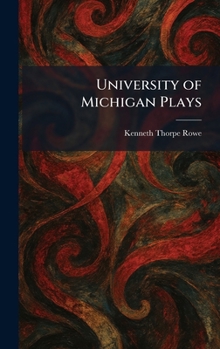
University of Michigan Plays

"University of Michigan Plays" is a compelling collection of dramatic works curated by Kenneth Thorpe Rowe, representing the creative peak of collegiate theater at the University of Michigan during the late 1920s. This anthology showcases the artistic vitality and diverse voices of student playwrights, offering a unique window into the cultural and social concerns of the early 20th century. The collection features a variety of plays that range from intimate character studies to broader social commentaries, demonstrating a high level of literary craftsmanship and theatrical ambition.
As a significant document of American academic theater, "University of Michigan Plays" highlights the evolution of drama as a discipline and an art form within the university setting. The works included reflect the experimental spirit of the time, exploring themes of human nature, morality, and the complexities of modern life. Whether through poignant tragedy or sharp-witted comedy, the contributors to this volume exhibit a sophisticated understanding of stagecraft and dialogue. This anthology serves as both an important historical record and a vibrant assembly of plays that continue to offer value to scholars of American literature, theater historians, and enthusiasts of the dramatic arts.
This work has been selected by scholars as being culturally important, and is part of the knowledge base of civilization as we know it. This work was reproduced from the original artifact, and remains as true to the original work as possible. Therefore, you may see the original copyright references, library stamps (as most of these works have been housed in our most important libraries around the world), and other notations in the work.
This work is in the public domain in the United States of America, and possibly other nations. Within the United States, you may freely copy and distribute this work, as no entity (individual or corporate) has a copyright on the body of the work.
As a reproduction of a historical artifact, this work may contain missing or blurred pages, poor pictures, errant marks, etc. Scholars believe, and we concur, that this work is important enough to be preserved, reproduced, and made generally available to the public. We appreciate your support of the preservation process, and thank you for being an important part of keeping this knowledge alive and relevant.
Customer Reviews
ThriftBooks ® and the ThriftBooks ® logo are registered trademarks of Thrift Books Global, LLC
