


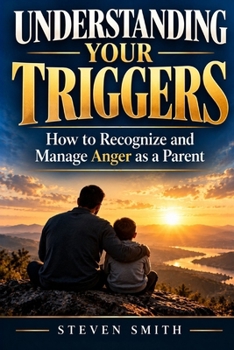
Understanding Your Triggers: How to Recognize and Manage Anger as a Parent

Calmer parenting begins with understanding your emotions. Recognise what triggers your anger, respond more thoughtfully, and build a healthier relationship with your child.
Parenting can be deeply rewarding, but it also brings frustration, exhaustion, emotional pressure, and challenging situations. When anger becomes difficult to manage, it can affect communication, discipline, family relationships, and a child's emotional well-being.
Understanding Your Triggers: How to Recognize and Manage Anger as a Parent provides practical guidance for identifying anger triggers, strengthening emotional regulation, and developing healthier responses to everyday parenting challenges.
FROM EMOTIONAL REACTIONS TO CALMER PARENTING
This book explores:
- Understanding parental anger: Recognise the causes, signs, and emotional responses associated with anger.
- Identifying personal triggers: Discover situations, behaviours, and pressures that contribute to frustration and emotional reactions.
- Recognising warning signs: Learn to identify the physical, emotional, and behavioural signals that anger may be escalating.
- Emotional regulation: Explore practical strategies for managing anger and responding more calmly during difficult moments.
- Anger and child development: Understand how parental emotional responses can influence children's behaviour, emotional security, and family relationships.
- Positive discipline: Discover constructive approaches to addressing challenging behaviour without relying on anger-driven reactions.
- Parental self-care: Understand the importance of managing stress, protecting emotional well-being, and maintaining personal balance.
- Personalised anger management: Develop an individual plan for recognising triggers, practising healthier responses, and monitoring progress.
BETTER EMOTIONAL CONTROL BUILDS STRONGER FAMILY RELATIONSHIPS
Effective parenting does not require never experiencing anger. It requires recognising emotions, understanding their causes, and choosing responses that support rather than undermine the parent-child relationship.
This book encourages parents to replace impulsive reactions with greater self-awareness, constructive discipline, and intentional communication.
By combining practical anger management strategies with self-care and personal reflection, it provides a foundation for developing calmer parenting habits and a more supportive family environment.
WHO THIS BOOK IS FOR
Parents experiencing frustration or difficulty managing anger, caregivers seeking healthier discipline approaches, prospective parents, guardians, and anyone interested in improving emotional regulation and parent-child relationships.
Becoming a calmer parent begins with recognising your triggers, understanding your reactions, and making deliberate choices that strengthen emotional well-being, positive discipline, and family connections.
Customer Reviews
ThriftBooks ® and the ThriftBooks ® logo are registered trademarks of Thrift Books Global, LLC
