


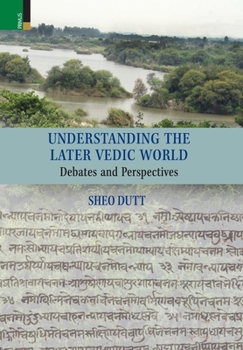
Understanding the Later Vedic World: Debates and Perspectives

Understanding the Later Vedic World: Debates and Perspectives probes the salient features of socio-economic formations in the later Vedic times (popularly known as PGW, or the Iron Phase) with special reference to the Brahmana texts. This book investigates new dimensions and approaches to the study of the social structure of the later Vedic period in its correct historical context. From the topographic and climatic viewpoint, the research indicates that the entire area inhabited by the Aryan speakers constitute one geographical unit and portray similar ecological conditions. The author also explores the various forms and modes of subsistence and focuses on the rubrics of the agrarian structure. The custom of gift-making as a socio-economic phenomenon has been investigated from social and cultural-anthropological viewpoints here. The author opines that whenever an occasion is availed to structure the varna hierarchy, gender stratification followed there, as if both were the two sides of the same coin and embedded consciously as a whole package within the brahmanical sociology. This work critically examines the chief characteristics of the superordination of patriarchy and women's subordination, as these hierarchies were the result of complex processes of socio-economic change.
Related Subjects
HistoryCustomer Reviews
ThriftBooks ® and the ThriftBooks ® logo are registered trademarks of Thrift Books Global, LLC
