


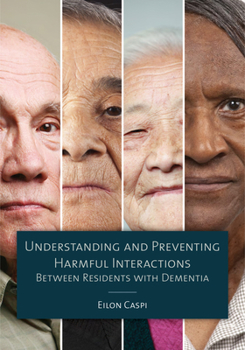
Understanding and Preventing Harmful Interactions Between Residents with Dementia

Professional care providers can learn ways to avoid one of the most difficult and often tragic problems to occur in care settings: When residents with memory loss act in ways that harm another resident. Many of these episodes are preventable. Understanding what may provoke a person with dementia to respond in a physically or verbally harmful manner is the key to prevention and mitigation. This book provides the first care standard for the field, presenting practical tools and instruction on how to identify contributing factors, causes, unmet needs, and triggers that commonly lead to serious distress or injury, sometimes even death.
Emphasizing compassionate, person-directed care practices, author Eilon Caspi describes numerous psychosocial strategies to use to prevent and de-escalate situations prior to, during, and after harmful resident-to-resident interactions. Included are dozens of real-life examples illustrating what does and does not work in addressing these episodes.
Based on extensive research and proven behavioral analysis, this valuable resource:
Identifies 88 factors--personal triggers, interpersonal dynamics, the physical environment--that contribute to harmful interactionsDescribes which factors can be modified and which cannot, and how to work with them either wayCreates opportunities for significant improvement in resident and staff well-beingDelivers useful screening and intervention toolsProvides access to downloadable assessment tools and detailed instructions on how to use themThis critical resource will inform training programs and daily practice for direct care staff, interdisciplinary teams, and long-term care administrators. The recommended approaches will help providers meet federal nursing home regulations, avoid unnecessary legal liabilities, and enjoy cost savings from reduced resident-to-resident incidents. A safer and more harmonious experience can be achieved for all who live or work in care homes.
Customer Reviews
ThriftBooks ® and the ThriftBooks ® logo are registered trademarks of Thrift Books Global, LLC
