


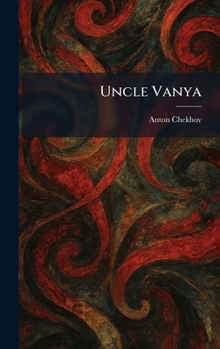
Uncle Vanya

"Uncle Vanya" is a cornerstone of modern drama, masterfully exploring the complexities of human dissatisfaction and the quiet tragedies of everyday life. Set on a remote country estate in late 19th-century Russia, the play follows the lives of Vanya and his niece Sonya, whose existence is upended by the arrival of the retired Professor Serebryakov and his beautiful young wife, Yelena. As the characters grapple with unrequited love, missed opportunities, and the crushing weight of their own mediocrity, Anton Chekhov weaves a delicate tapestry of humor and pathos.
This classic work is renowned for its subtext and psychological depth, moving away from traditional dramatic action to focus on the inner lives of its protagonists. Through the figure of Dr. Astrov, Chekhov also introduces early themes of environmental conservation, contrasting the decay of the natural world with the spiritual exhaustion of the landed gentry. "Uncle Vanya" remains a timeless exploration of the human condition, questioning whether hard work and endurance are enough to justify a life devoid of passion. It stands as an essential masterpiece for readers and theater enthusiasts alike, capturing the bittersweet reality of what it means to live with regret while dreaming of a higher purpose.
This work has been selected by scholars as being culturally important, and is part of the knowledge base of civilization as we know it. This work was reproduced from the original artifact, and remains as true to the original work as possible. Therefore, you may see the original copyright references, library stamps (as most of these works have been housed in our most important libraries around the world), and other notations in the work.
This work is in the public domain in the United States of America, and possibly other nations. Within the United States, you may freely copy and distribute this work, as no entity (individual or corporate) has a copyright on the body of the work.
As a reproduction of a historical artifact, this work may contain missing or blurred pages, poor pictures, errant marks, etc. Scholars believe, and we concur, that this work is important enough to be preserved, reproduced, and made generally available to the public. We appreciate your support of the preservation process, and thank you for being an important part of keeping this knowledge alive and relevant.
Related Subjects
DramaCustomer Reviews
ThriftBooks ® and the ThriftBooks ® logo are registered trademarks of Thrift Books Global, LLC
