


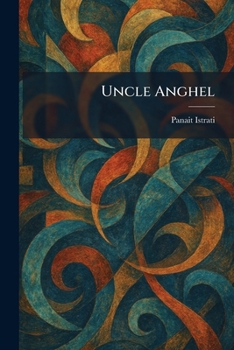
Uncle Anghel

Select Format
Select Condition 
Book Overview
"Uncle Anghel" is a powerful and haunting work of literary fiction by Panait Istrati, forming a central part of his acclaimed "Adrien Zograffi" cycle. Set against the vibrant yet harsh backdrop of rural Romania, the novel tells the tragic story of Anghel, a man whose life spirals from prosperity and vigor into physical and spiritual ruin. Through the eyes of his nephew, Adrien, the narrative explores profound themes of pride, suffering, and the inexorable decay of the human condition.
Istrati's prose captures the raw, earthy essence of Balkan life at the turn of the 20th century. The character of Uncle Anghel serves as a monumental figure of defiance and despair, making the work a deeply moving study of the human spirit's fragility. Known for its emotional intensity and vivid imagery, "Uncle Anghel" remains a cornerstone of early 20th-century world literature. This narrative offers readers a deep immersion into Romanian culture and history, delivered with the unique voice of an author often hailed as the "Gorky of the Balkans." It is an essential read for those interested in European literary traditions and masterful character-driven drama.
This work has been selected by scholars as being culturally important, and is part of the knowledge base of civilization as we know it. This work was reproduced from the original artifact, and remains as true to the original work as possible. Therefore, you may see the original copyright references, library stamps (as most of these works have been housed in our most important libraries around the world), and other notations in the work.
This work is in the public domain in the United States of America, and possibly other nations. Within the United States, you may freely copy and distribute this work, as no entity (individual or corporate) has a copyright on the body of the work.
As a reproduction of a historical artifact, this work may contain missing or blurred pages, poor pictures, errant marks, etc. Scholars believe, and we concur, that this work is important enough to be preserved, reproduced, and made generally available to the public. We appreciate your support of the preservation process, and thank you for being an important part of keeping this knowledge alive and relevant.
Customer Reviews
ThriftBooks ® and the ThriftBooks ® logo are registered trademarks of Thrift Books Global, LLC
