


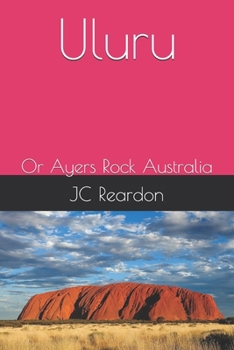
Uluru: Or Ayers Rock Australia

Ayers Rock, also known by its Indigenous name Uluru, is a massive sandstone monolith located in the southern part of the Northern Territory, Australia. It is one of the most famous natural landmarks in Australia and holds great cultural significance for the Anangu people, the traditional owners of the land.
Key Facts About Uluru (Ayers Rock)Geographical Information
Location: Uluru-Kata Tjuta National Park, Northern Territory, Australia
Height: 348 meters (1,142 feet) above ground
Circumference: 9.4 km (5.8 miles)
Age: Estimated to be over 550 million years old
Composition: Mainly arkose (a type of sandstone) with a high feldspar content
Climate: Desert climate with hot summers and mild winters
Cultural & Spiritual SignificanceUluru is sacred to the Anangu people, the traditional custodians of the land.
It features in Dreamtime stories (Tjukurpa), which explain the creation of the land and its features.
Many areas around Uluru are sensitive sites where photography is restricted due to cultural beliefs.
Tourism & ActivitiesViewing Spots: Popular locations include the Talinguru Nyakunytjaku viewing area for sunrise and sunset.
Walking Trails: The Uluru Base Walk (10.6 km) lets visitors explore the rock's unique formations, waterholes, and ancient rock art.
Cultural Centre: Offers insights into Anangu traditions, art, and the significance of Uluru.
Field of Light: A large-scale light installation by artist Bruce Munro, illuminating the desert at night.
Climbing Ban & ConservationClimbing was permanently banned on October 26, 2019, out of respect for Indigenous traditions and for environmental protection.
Uluru is managed by Parks Australia in partnership with the Anangu people.
It is part of the Uluru-Kata Tjuta National Park, which also includes the Kata Tjuta (Olgas) rock formations.
Wildlife & EnvironmentHome to diverse desert flora and fauna, including perentie lizards, dingoes, emus, and bush foods like desert figs.
The area receives sporadic rainfall, which can create temporary waterfalls on Uluru's surface.
UNESCO World Heritage StatusListed in 1987 for its natural significance.
Listed again in 1994 for its cultural significance.
Customer Reviews
ThriftBooks ® and the ThriftBooks ® logo are registered trademarks of Thrift Books Global, LLC
