


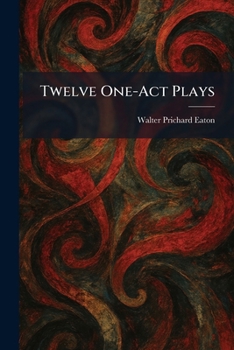
Twelve One-Act Plays

"Twelve One-Act Plays" is a curated collection of short dramatic works compiled by the noted American theater critic and writer Walter Prichard Eaton. This anthology showcases the versatility and impact of the one-act form, which gained significant popularity during the early 20th century as a medium for experimental and concise storytelling. The volume brings together a diverse array of narratives, ranging from poignant character studies and lighthearted comedies to intense domestic dramas, offering a comprehensive look at the theatrical landscape of the era.
Each play in the collection serves as a focused exploration of human emotion and social dynamics, designed to be performed within a limited timeframe while delivering a powerful resonance. The works included reflect the influence of the Little Theatre Movement, emphasizing artistic integrity and intimate staging over commercial spectacle. For students of drama, actors, and theater enthusiasts, "Twelve One-Act Plays" provides a valuable glimpse into the development of modern American theater and the enduring appeal of short-form performance. Whether read for pleasure or used as a resource for production, this collection remains an important testament to the craftsmanship and creativity of early 20th-century playwrights.
This work has been selected by scholars as being culturally important, and is part of the knowledge base of civilization as we know it. This work was reproduced from the original artifact, and remains as true to the original work as possible. Therefore, you may see the original copyright references, library stamps (as most of these works have been housed in our most important libraries around the world), and other notations in the work.
This work is in the public domain in the United States of America, and possibly other nations. Within the United States, you may freely copy and distribute this work, as no entity (individual or corporate) has a copyright on the body of the work.
As a reproduction of a historical artifact, this work may contain missing or blurred pages, poor pictures, errant marks, etc. Scholars believe, and we concur, that this work is important enough to be preserved, reproduced, and made generally available to the public. We appreciate your support of the preservation process, and thank you for being an important part of keeping this knowledge alive and relevant.
Customer Reviews
ThriftBooks ® and the ThriftBooks ® logo are registered trademarks of Thrift Books Global, LLC
