


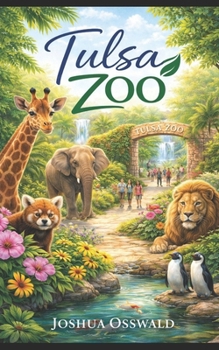
Tulsa Zoo

The Tulsa Zoo began humbly in 1927, when a few deer and bison were placed in Mohawk Park. In the midst of an oil boom, Tulsa's leaders wanted a civic attraction that every citizen could enjoy - free, family-friendly, and lasting. Through the Great Depression, World War II, and the decades that followed, the zoo slowly grew, adding bears, lions, chimpanzees, and elephants.
By the mid-20th century, the zoo had become a tradition for Tulsa families. Children on field trips pressed their noses to the bars of the Primate House, parents brought their kids to see Gunda the elephant, and generations watched polar bears swim in chilled pools. With each new addition, the zoo became more deeply rooted in the city's life.
The late 20th century brought change. Accreditation standards and public expectations pushed the zoo toward modernization. Outdated cages gave way to naturalistic habitats, education became central, and conservation moved from the background to the heart of its mission. The opening of the Tropical American Rainforest in 1997 and the Lost Kingdom complex in 2017 symbolized this transformation.
Today, as it approaches its centennial, the Tulsa Zoo stands as more than an attraction. It is a living classroom, a conservation partner, and a community tradition. It belongs not only to the animals within its care but also to the people of Tulsa, who have built, sustained, and cherished it for nearly a century.
Customer Reviews
ThriftBooks® and the ThriftBooks® logo are registered trademarks of Thrift Books Global, LLC
