


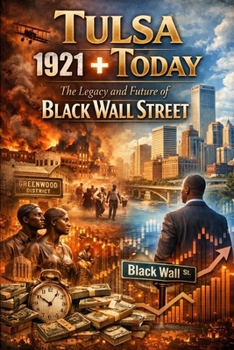
Tulsa 1921 + Today: The Legacy and Future of Black Wall Street

How Greenwood Rose, Fell, and Still Shapes Black Economic Power
In 1921, the Greenwood District of Tulsa-known as Black Wall Street-stood as one of the most prosperous Black communities in American history. Within hours, it was reduced to ashes. Yet the story does not end with destruction. Tulsa 1921 + Today bridges past and present to reveal how Black Wall Street was built, how it was attacked, and why its legacy still matters in today's conversations about wealth, justice, and economic power.
This book goes beyond the commonly taught version of the Tulsa Race Massacre to examine what Greenwood truly represented-a blueprint for Black entrepreneurship, resilience, and self-determination-and how its lessons apply to modern America. By connecting historical truth with contemporary economic realities, this book challenges readers to rethink what was lost, what survived, and what can still be rebuilt.
What's Inside This Book
The rise of Greenwood and how Black Wall Street was built from the ground up
The economic systems, businesses, and institutions that powered Black prosperity
A clear, factual breakdown of the Tulsa Race Massacre of 1921
Untold details often omitted from traditional history books
The long-term economic impact of Greenwood's destruction
How survivors and descendants rebuilt despite systemic barriers
Parallels between 1921 Tulsa and modern racial wealth gaps
Lessons Black Wall Street offers today's entrepreneurs and investors
Why remembering Greenwood is essential to America's future
How the legacy of Black Wall Street continues to influence modern movements
Who This Book Is For
Readers seeking a deeper understanding of Black history beyond textbooks
Students and educators exploring African American economic history
Entrepreneurs interested in historical models of community wealth
History enthusiasts drawn to untold or suppressed American stories
Anyone wanting context for modern discussions on racial equity and wealth
Readers of books on Black Wall Street, Greenwood, and systemic inequality
Why This Story Still Matters
The destruction of Black Wall Street was not just an act of violence-it was the loss of generational wealth, innovation, and economic independence. Tulsa 1921 + Today asks a powerful question: What would America look like if Greenwood had been allowed to thrive? By examining the past honestly and connecting it to the present, this book invites readers to see Black Wall Street not as a tragedy frozen in time, but as a living legacy-one that still offers guidance, warning, and hope for the future. Remembering Greenwood isn't about looking backward. It's about understanding what's possible when communities are allowed to build, protect, and sustain their own prosperity.
Related Subjects
HistoryCustomer Reviews
ThriftBooks ® and the ThriftBooks ® logo are registered trademarks of Thrift Books Global, LLC
