


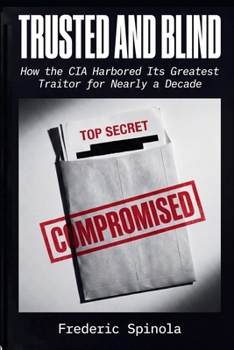
Trusted and Blind: How the CIA Harbored Its Greatest Traitor for Nearly a Decade

On the afternoon of June 13, 1985, a CIA officer named Aldrich Hazen Ames walked out of CIA headquarters carrying plastic bags containing five to seven pounds of classified message traffic. He handed them to a Soviet diplomat over lunch. In a single meeting at a Washington restaurant, he disclosed the identities of more than ten of the CIA's most valuable human sources inside the Soviet Union. Congressional testimony later described it as the largest single transfer of sensitive intelligence to the KGB in history.
Most of those men were subsequently executed.
Over the next nine years, Ames drove a Jaguar, wore Italian suits, purchased a $540,000 house in cash on a government salary, opened Swiss bank accounts, crouched in the back of KGB cars with a hat pulled over his face in Rome, left chalk marks on mailboxes in northwest Washington before dawn, and walked through the front door of CIA headquarters every morning with a top-secret clearance. His colleagues noticed the spending. His supervisors received the warnings. Multiple investigative teams examined the evidence.
Nobody wrote it in his file.
Trusted and Blind is the first comprehensive account of the Ames case built entirely from the declassified primary record - Senate Select Committee reports, CIA Inspector General assessments, FBI investigative summaries, House committee findings, criminal complaint, plea agreement, and post-arrest debriefings. Every fact in this book comes from a document that exists and is reproduced in the appendix.
This is not a story about a master spy. Ames was a mediocre case officer with a drinking problem, a history of security violations, and supervisors who noted for years that his work was poor. It is a story about an institution so structured around its own assumptions that it could watch its Soviet operations collapse, assemble teams to investigate the collapse, receive financial evidence pointing directly at one of its own officers - and still not act. And it is the story of the small, chronically under-resourced counterintelligence team that finally caught him anyway, after eight years of working against their own agency's resistance.
The Senate Select Committee on Intelligence called what happened "gross negligence - both individually and institutionally." Trusted and Blind shows, chapter by chapter and year by year, exactly what that meant.
Customer Reviews
ThriftBooks ® and the ThriftBooks ® logo are registered trademarks of Thrift Books Global, LLC
