


All Formats & Editions

Treat 'Em Rough: Letters from Jack the Kaiser K...
Larnder turns his sarcastic, ironic gaze on the gung-ho patriotism of the First World War - with richly comic results.
Treat'em Rough, Letters
This work has been selected by scholars as being culturally important, and is part of the knowledge base of civilization as we know it. This work was reproduced from the original artifact, and remains as true to the original work as possible. Therefore, you will see the original...

Treat 'em Rough
"Treat 'em Rough" from Ring Lardner. American sports columnist and short story writer (1885-1933).

Treat 'em Rough Letters from Jack the Kaiser Ki...
Treat 'em Rough: Letters from Jack the Kaiser K...
This work has been selected by scholars as being culturally important, and is part of the knowledge base of civilization as we know it. This work is in the "public domain in the United States of America, and possibly other nations. Within the United States, you may freely...
Treat 'Em Rough: Letters from Jack the Kaiser K...
This scarce antiquarian book is a facsimile reprint of the original. Due to its age, it may contain imperfections such as marks, notations, marginalia and flawed pages. Because we believe this work is culturally important, we have made it available as part of our commitment for...
Treat 'em Rough: Letters from Jack the Kaiser K...
This work has been selected by scholars as being culturally important, and is part of the knowledge base of civilization as we know it. This work is in the "public domain in the United States of America, and possibly other nations. Within the United States, you may freely...
Treat 'em Rough: Letters from Jack the Kaiser K...
Treat 'Em Rough: Letters from Jack the Kaiser K...
Treat 'Em Rough: Letters from Jack the Kaiser Killer is a collection of fictional letters written by a soldier named Jack Keefe during World War I. The letters are written in a humorous and satirical style, and they offer a unique perspective on life in the trenches during the...
Treat 'em Rough; Letters from Jack the Kaiser K...

Treat'em Rough, Letters

Treat 'em Rough: Letters From Jack the Kaiser K...
This work has been selected by scholars as being culturally important, and is part of the knowledge base of civilization as we know it. This work was reproduced from the original artifact, and remains as true to the original work as possible. Therefore, you will see the original...

Treat 'em Rough; Letters from Jack the Kaiser K...
Treat 'em Rough: Letters From Jack the Kaiser K...
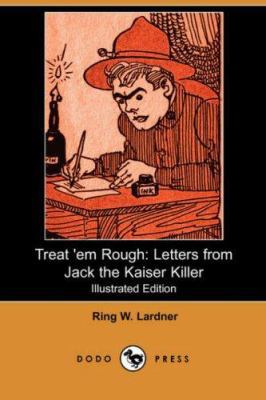
Treat 'em Rough: Letters from Jack the Kaiser K...

Treat 'em Rough: Letters from Jack the Kaiser K...
Treat 'em Rough; Letters from Jack the Kaiser K...
Treat 'em Rough: Letters from Jack the Kaiser K...
This is a reproduction of a book published before 1923. This book may have occasional imperfections
such as missing or blurred pages, poor pictures, errant marks, etc. that were either part of the original artifact,
or were introduced by the scanning process. We believe...
Treat 'Em Rough: Letters from Jack the Kaiser K...
Treat 'Em Rough: Letters From Jack The Kaiser K...
Treat 'em Rough: Letters from Jack the Kaiser K...

Treat 'Em Rough
Treat Em Rough Letters From Jack 1ST Edition

Treat 'em Rough, Letters from Jack the Kaiser K...
Treat 'em Rough: Letters from Jack the Kaiser K...
ThriftBooks® and the ThriftBooks® logo are registered trademarks of Thrift Books Global, LLC
