


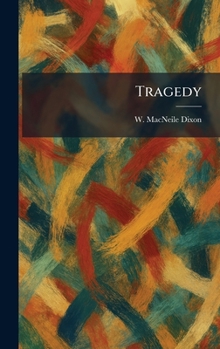
Tragedy

"Tragedy" is a profound and comprehensive exploration into one of the most enduring and complex forms of human expression. W. Macneile Dixon provides a scholarly yet accessible investigation into the essence of the tragic, tracing its development from the foundational works of Ancient Greece through the Elizabethan era and into the modern period. By examining the works of masters such as Aeschylus, Sophocles, and Shakespeare, Dixon delves into the underlying philosophical and aesthetic principles that allow tragedy to resonate across cultures and centuries.
This work addresses the fundamental questions of why audiences are drawn to tales of suffering and catastrophe, and how the concept of the tragic hero has evolved. Dixon explores themes of fate, moral conflict, and the "tragic flaw," offering a nuanced analysis of the psychological impact of drama on the human spirit. "Tragedy" stands as a vital piece of literary criticism, providing readers with a deeper understanding of the relationship between art, emotion, and the human condition. It is an essential resource for students of drama, philosophy, and classical literature seeking to grasp the enduring power of the tragic muse.
This work has been selected by scholars as being culturally important, and is part of the knowledge base of civilization as we know it. This work was reproduced from the original artifact, and remains as true to the original work as possible. Therefore, you may see the original copyright references, library stamps (as most of these works have been housed in our most important libraries around the world), and other notations in the work.
This work is in the public domain in the United States of America, and possibly other nations. Within the United States, you may freely copy and distribute this work, as no entity (individual or corporate) has a copyright on the body of the work.
As a reproduction of a historical artifact, this work may contain missing or blurred pages, poor pictures, errant marks, etc. Scholars believe, and we concur, that this work is important enough to be preserved, reproduced, and made generally available to the public. We appreciate your support of the preservation process, and thank you for being an important part of keeping this knowledge alive and relevant.
Customer Reviews
ThriftBooks ® and the ThriftBooks ® logo are registered trademarks of Thrift Books Global, LLC
