


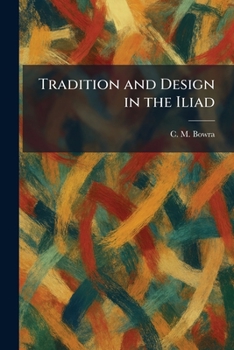
Tradition and Design in the Iliad

"Tradition and Design in the Iliad" is a seminal work of classical scholarship that explores the intricate balance between inherited oral tradition and the deliberate artistic structure of Homer's epic poem. C. M. Bowra examines how the poet navigated a vast inheritance of traditional formulas, themes, and linguistic archaisms to create a cohesive masterpiece of world literature. The work delves into the historical origins of the poem, the development of the hexameter, and the specific literary devices that define the Homeric style.
By analyzing the interplay between the constraints of the oral medium and the creative vision of the author, Bowra provides profound insights into the origins of Greek literature and the enduring power of the "Iliad". This study investigates the characters, the divine machinery, and the structural unity that characterizes the work, arguing for a sophisticated design behind the traditional facade. It remains an essential resource for students and scholars of Classics, offering a detailed look at how one of the most influential works in the Western canon was crafted and preserved through the ages.
This work has been selected by scholars as being culturally important, and is part of the knowledge base of civilization as we know it. This work was reproduced from the original artifact, and remains as true to the original work as possible. Therefore, you may see the original copyright references, library stamps (as most of these works have been housed in our most important libraries around the world), and other notations in the work.
This work is in the public domain in the United States of America, and possibly other nations. Within the United States, you may freely copy and distribute this work, as no entity (individual or corporate) has a copyright on the body of the work.
As a reproduction of a historical artifact, this work may contain missing or blurred pages, poor pictures, errant marks, etc. Scholars believe, and we concur, that this work is important enough to be preserved, reproduced, and made generally available to the public. We appreciate your support of the preservation process, and thank you for being an important part of keeping this knowledge alive and relevant.
Customer Reviews
ThriftBooks ® and the ThriftBooks ® logo are registered trademarks of Thrift Books Global, LLC
