


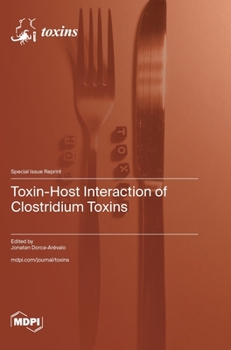
Toxin-Host Interaction of Clostridium Toxins

This Reprint provides a comprehensive and current overview of clostridial toxins and their interactions with host organisms. Clostridial toxins are highly potent bacterial proteins responsible for a wide range of severe diseases in humans and animals, from gastrointestinal disorders to neurotoxicity. This Reprint focuses on clinically significant species, including Clostridioides difficile and Clostridium perfringens, highlighting the molecular and cellular mechanisms by which their toxins disrupt host processes, interfere with immune responses, and target the nervous system. Contributions explore toxin-receptor interactions, host signaling pathway alterations, and structural insights that inform our understanding of toxin activity. The Reprint also examines the impact of clostridial toxins on the gut-brain axis, immune modulation, and vascular and neuronal systems. By presenting recent experimental findings, mechanistic studies, and emerging therapeutic strategies, this collection provides an updated and comprehensive insight on clostridial toxin biology, supporting the development of improved diagnostic, preventive, and treatment approaches for toxin-mediated diseases in both human and veterinary medicine.
Customer Reviews
ThriftBooks ® and the ThriftBooks ® logo are registered trademarks of Thrift Books Global, LLC
