


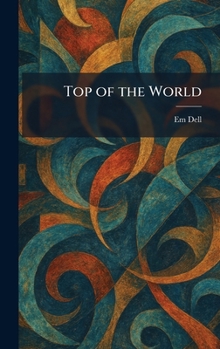
Top of the World

"Top of the World" is a sweeping romance and adventure novel set against the rugged and unforgiving backdrop of the South African veldt. The story follows Sylvia Ingleton, a young woman who travels across the world to marry the man she believes is her true love, only to find herself facing disillusionment and the harsh realities of life in a remote and challenging land. Amidst the physical and emotional trials of the wilderness, Sylvia must navigate complex loyalties and the arrival of a mysterious, brooding figure who challenges her perceptions of devotion and sacrifice.
The narrative explores themes of resilience, the redemptive power of love, and the clash between traditional expectations and the primal forces of nature. Known for her ability to craft high-stakes emotional tension, the author presents a world where characters must brave both external dangers and internal conflicts to find a sense of belonging at the literal and figurative "top of the world." This work stands as a classic example of early twentieth-century popular fiction, blending the era's fascination with exotic locales with the timeless intricacies of the human heart.
This work has been selected by scholars as being culturally important, and is part of the knowledge base of civilization as we know it. This work was reproduced from the original artifact, and remains as true to the original work as possible. Therefore, you may see the original copyright references, library stamps (as most of these works have been housed in our most important libraries around the world), and other notations in the work.
This work is in the public domain in the United States of America, and possibly other nations. Within the United States, you may freely copy and distribute this work, as no entity (individual or corporate) has a copyright on the body of the work.
As a reproduction of a historical artifact, this work may contain missing or blurred pages, poor pictures, errant marks, etc. Scholars believe, and we concur, that this work is important enough to be preserved, reproduced, and made generally available to the public. We appreciate your support of the preservation process, and thank you for being an important part of keeping this knowledge alive and relevant.
Customer Reviews
ThriftBooks ® and the ThriftBooks ® logo are registered trademarks of Thrift Books Global, LLC
