


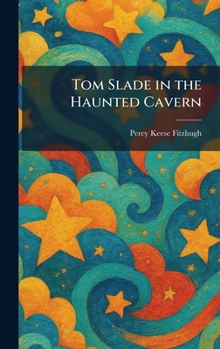

In "Tom Slade in the Haunted Cavern," the intrepid scout returns for a high-stakes adventure that tests his resourcefulness and courage. While exploring the rugged wilderness, Tom and his fellow scouts discover a mysterious cavern shrouded in local legend and rumored to be haunted. What begins as a routine scouting expedition quickly transforms into a compelling mystery as the group ventures into the dark, labyrinthine passages of the cave to uncover the truth behind the strange occurrences reported by the townspeople.
As Tom navigates the physical challenges of the subterranean world, he must rely on his scouting skills and the strength of his friendships to overcome unforeseen obstacles. Percy Keese Fitzhugh delivers a narrative filled with suspense and atmosphere, emphasizing the core scouting values of bravery, loyalty, and preparedness. "Tom Slade in the Haunted Cavern" is a classic example of early twentieth-century juvenile adventure, offering a timeless story of exploration and the triumph of practical wisdom over superstition. This work remains a significant entry in the Tom Slade series, celebrating the spirit of youth and the thrill of discovery in the great outdoors.
This work has been selected by scholars as being culturally important, and is part of the knowledge base of civilization as we know it. This work was reproduced from the original artifact, and remains as true to the original work as possible. Therefore, you may see the original copyright references, library stamps (as most of these works have been housed in our most important libraries around the world), and other notations in the work.
This work is in the public domain in the United States of America, and possibly other nations. Within the United States, you may freely copy and distribute this work, as no entity (individual or corporate) has a copyright on the body of the work.
As a reproduction of a historical artifact, this work may contain missing or blurred pages, poor pictures, errant marks, etc. Scholars believe, and we concur, that this work is important enough to be preserved, reproduced, and made generally available to the public. We appreciate your support of the preservation process, and thank you for being an important part of keeping this knowledge alive and relevant.
Customer Reviews
ThriftBooks ® and the ThriftBooks ® logo are registered trademarks of Thrift Books Global, LLC
