


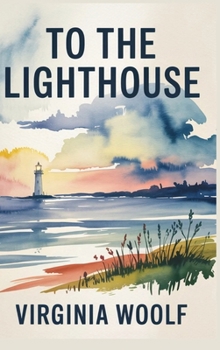
To The Lighthouse

To the Lighthouse is one of the most influential novels by Virginia Woolf, first published in 1927. The novel is widely regarded as a central work of literary modernism, exploring perception, memory, and the passage of time through Woolf's innovative narrative style.
Set largely in a summer house on the Isle of Skye in Scotland, the story follows the Ramsay family and their guests during visits to the seaside home. The narrative moves through shifting perspectives, revealing the inner thoughts of characters such as Mrs. Ramsay, Mr. Ramsay, and the painter Lily Briscoe as they reflect on family, art, loss, and the meaning of human relationships.
Through its use of interior monologue and fluid narrative structure, To the Lighthouse examines how individuals experience time, memory, and emotional life. The novel remains a major work of twentieth-century fiction and a key text in the development of modernist literature.
Customer Reviews
ThriftBooks ® and the ThriftBooks ® logo are registered trademarks of Thrift Books Global, LLC
