


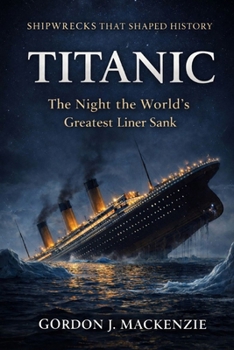
Titanic: The Night the World's Greatest Liner Sank

On the night of 14 April 1912, the RMS Titanic, the most celebrated ocean liner of its age, struck an iceberg and began a slow, irreversible descent into the North Atlantic. More than 1,500 people died. The disaster shocked the world and permanently altered how maritime safety, regulation, and risk were understood.
Titanic: The Night the World's Greatest Liner Sank is a detailed, unsentimental examination of that catastrophe. Moving beyond myth and romance, this book focuses on the decisions, systems, and assumptions that made the loss of life so severe. The iceberg was the trigger, but the tragedy was shaped by lifeboat policy, regulatory limits, emergency procedures, and a culture that valued confidence and comfort over preparedness.
The narrative follows Titanic from its design and construction through its final hours at sea, then into the long aftermath. It examines survivor experiences, public inquiries, legal accountability, and the sweeping reforms that followed. It also confronts the uncomfortable truth that many deaths were not unavoidable acts of nature, but the result of choices made well before the ship ever sailed.
Part of the Shipwrecks That Shaped History series, this book explores how a single night at sea forced the world to rethink safety, responsibility, and the true cost of technological ambition.
Customer Reviews
ThriftBooks® and the ThriftBooks® logo are registered trademarks of Thrift Books Global, LLC
