


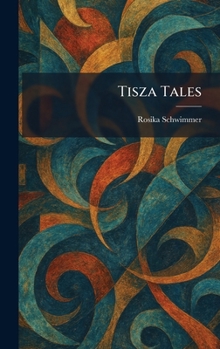
Tisza Tales

"Tisza Tales" is an enchanting collection of Hungarian folk stories and legends that captures the rich cultural heritage and imaginative spirit of the people living along the banks of the Tisza River. Gathered and retold by Rosika Schwimmer, these narratives offer a vibrant window into Central European tradition, blending the mystical with the everyday. The work features a variety of tales ranging from whimsical fables and heroic legends to moral parables, all deeply rooted in the rural life and history of Hungary.
Through these stories, readers encounter a world of clever peasants, magical creatures, and ancient customs. The collection serves not only as a treasury of entertainment for readers of all ages but also as a significant preservation of oral traditions that define the regional identity of the Tisza valley. With its evocative storytelling and historical charm, "Tisza Tales" remains a valuable work for those interested in international folklore, mythology, and the enduring power of local legends. This collection brings to life the sights, sounds, and spirits of a storied landscape, making it a classic addition to the canon of world folklore.
This work has been selected by scholars as being culturally important, and is part of the knowledge base of civilization as we know it. This work was reproduced from the original artifact, and remains as true to the original work as possible. Therefore, you may see the original copyright references, library stamps (as most of these works have been housed in our most important libraries around the world), and other notations in the work.
This work is in the public domain in the United States of America, and possibly other nations. Within the United States, you may freely copy and distribute this work, as no entity (individual or corporate) has a copyright on the body of the work.
As a reproduction of a historical artifact, this work may contain missing or blurred pages, poor pictures, errant marks, etc. Scholars believe, and we concur, that this work is important enough to be preserved, reproduced, and made generally available to the public. We appreciate your support of the preservation process, and thank you for being an important part of keeping this knowledge alive and relevant.
Customer Reviews
ThriftBooks ® and the ThriftBooks ® logo are registered trademarks of Thrift Books Global, LLC
