


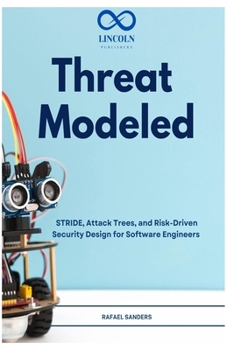
Threat Modeled: STRIDE, Attack Trees, and Risk-Driven Security Design for Software Engineers

Most security problems begin long before code is deployed.
Weak assumptions, overlooked trust boundaries, and poorly understood attack surfaces often create vulnerabilities that no scanner can fully detect later. Secure systems are designed intentionally-not patched reactively.
"Threat Modeled" is a practical, engineering-focused guide to applying threat modeling techniques to modern software systems using structured, risk-driven methodologies.
This book teaches software engineers how to think systematically about security during architecture and design, before vulnerabilities become incidents.
Why threat modeling matters
Modern applications are increasingly complex:
cloud-native microservicesdistributed APIsmobile and web clientsthird-party integrationsAI-enabled systemshybrid cloud infrastructureWithout structured threat analysis, critical risks are often missed until production.
Threat modeling helps teams identify:
attack surfacestrust boundariesabuse scenariosprivilege escalation pathsdata exposure risksarchitectural weaknessesbefore attackers can exploit them.
What you will learnfundamentals of threat modeling methodologyapplying STRIDE to software systemsdesigning and analyzing attack treesidentifying trust boundaries and assetsmodeling threats in APIs and distributed systemsabuse case and adversarial thinking techniquesrisk prioritization and mitigation planningintegrating threat modeling into SDLC workflowscollaborative security review processesmaintaining threat models as systems evolve
From reactive fixes to proactive security engineering
Throughout the book, you will learn how to:
identify threats early in system designevaluate architectural security tradeoffsmap attacker goals and pathwaysprioritize risks based on impact and likelihooddesign mitigations into systems proactivelybuild security awareness into engineering cultureEach chapter focuses on practical techniques used by security-conscious engineering teams.
Practical applicationscloud-native application architectureSaaS platforms and APIsenterprise software systemsfintech and healthcare applicationsDevSecOps engineering workflowsdistributed and microservices environments
These examples reflect real-world engineering and security design challenges.
Who this book is forsoftware engineerssecurity engineerssystem architectsDevSecOps professionalscloud engineerstechnical leads responsible for secure design
If you want to design systems with security built into the architecture itself, this book provides the roadmap.
Model threats early.
Design with intent.
Reduce risk before deployment.
Customer Reviews
ThriftBooks ® and the ThriftBooks ® logo are registered trademarks of Thrift Books Global, LLC
