


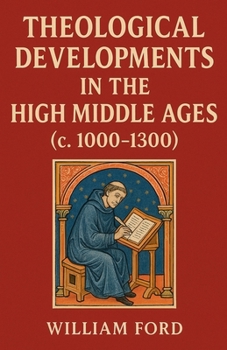
Theological Developments in the High Middle Ages (c. 1000-1300)

The three centuries between approximately 1000 and 1300 witnessed one of the most extraordinary intellectual transformations in the history of Christian thought. This period, which historians have come to call the High Middle Ages, saw theology emerge from the contemplative silence of monasteries into the bustling lecture halls of universities, from the meditative reading of ancient authorities to the rigorous disputation of contested questions, from the devotional commentary to the systematic summa. It was an age that produced both Anselm of Canterbury's penetrating logical proofs for God's existence and Bernard of Clairvaux's rapturous mystical sermons, both Thomas Aquinas's comprehensive philosophical theology and Francis of Assisi's radical poverty. The theological achievements of these centuries would shape Christian doctrine, practice, and intellectual life for generations to come, establishing frameworks and raising questions that remain vital to this day.
Customer Reviews
ThriftBooks® and the ThriftBooks® logo are registered trademarks of Thrift Books Global, LLC
