


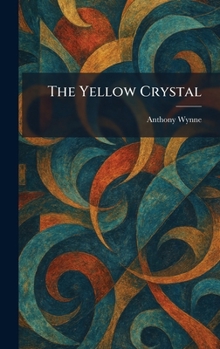

"The Yellow Crystal" is a classic work of Golden Age detective fiction featuring the astute and empathetic Dr. Eustace Hailey. Known for his ability to solve seemingly impossible crimes, Hailey is thrust into a complex investigation where motives are murky and the stakes are high. When a mysterious death occurs under perplexing circumstances, the doctor must use his keen psychological insight and medical expertise to unravel a web of deceit.
Set against the backdrop of early 20th-century Britain, this novel masterfully combines elements of the traditional whodunit with the atmospheric tension characteristic of Anthony Wynne's writing. As Hailey sifts through clues and interrogates suspects, the narrative explores themes of justice, human frailty, and the shadow cast by past secrets. Fans of intricate plotting and intellectual sleuthing will find "The Yellow Crystal" to be a compelling example of the British mystery genre at its peak. This work remains a significant contribution to the legacy of classic crime literature, offering readers a sophisticated puzzle that challenges the mind and captivates the imagination.
This work has been selected by scholars as being culturally important, and is part of the knowledge base of civilization as we know it. This work was reproduced from the original artifact, and remains as true to the original work as possible. Therefore, you may see the original copyright references, library stamps (as most of these works have been housed in our most important libraries around the world), and other notations in the work.
This work is in the public domain in the United States of America, and possibly other nations. Within the United States, you may freely copy and distribute this work, as no entity (individual or corporate) has a copyright on the body of the work.
As a reproduction of a historical artifact, this work may contain missing or blurred pages, poor pictures, errant marks, etc. Scholars believe, and we concur, that this work is important enough to be preserved, reproduced, and made generally available to the public. We appreciate your support of the preservation process, and thank you for being an important part of keeping this knowledge alive and relevant.
Customer Reviews
ThriftBooks ® and the ThriftBooks ® logo are registered trademarks of Thrift Books Global, LLC
