


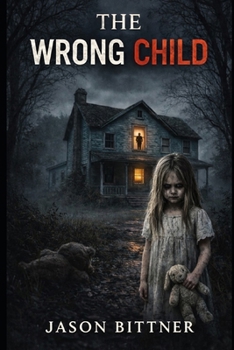
The Wrong Child

A fresh start was supposed to save them. A young family trades city noise for a quiet farmhouse near a small Iowa town-wide sky, empty roads, and the kind of silence that feels like a cure. The house is old but solid, the barn is steady, and the woods behind the back fence feel like privacy. A slower life. A safer life. A place where a child can run free and the world finally stops pressing in. On the first day-while boxes are still stacked and the kitchen still smells like cardboard-the parents let their child play outside while they unpack. "Stay in the yard where I can see you," the mother says. "Don't go near the trees." Minutes later, the yard is empty. No scream. No crash. No sign of struggle-just the sudden, impossible absence of a child. The parents sprint toward the woods, calling their child's name until it stops sounding like a name. Then the child steps out from the tree line calm, clean, and smiling, as if nothing happened. "I was trying to catch a bunny," the child says. "I'm okay, Mommy. I'm okay." After that, life should have returned to normal. It doesn't. The changes begin the way real nightmares begin-small enough to dismiss, subtle enough to doubt. A pause before the child smiles. Laughter that comes a second late, like an echo. Careful words that don't sound like a kid. At night, the mother wakes to soft footsteps on old wood and finds her child standing in the hallway, staring into the dark as if someone is there. When she touches the child's shoulder, the child turns slowly and whispers in a voice that isn't quite theirs: "Don't follow me." By morning, the child remembers nothing. A doctor calls it sleepwalking. Stress. A new home. The father clings to explanations that don't require him to believe in monsters-until the evidence stops being deniable. Damp socks when it hasn't rained. Dirt under fingernails after an afternoon spent "inside." A smear of mud on pajamas the child swears they never took off. Then footprints appear on the kitchen tile-small muddy prints that begin at the back door and end at the child's bedroom, like someone carried the dirt in and tucked the child back into bed. That's when the farmhouse begins to change too. Doors latch on their own. Cabinets hang open like jaws. Cold gathers in one hallway no matter how high the heat runs. Knocks answer knocks. Footsteps move overhead when no one is upstairs. The child's voice comes through vents when the child is asleep. The parents realize they aren't just dealing with a possessed child-they're living inside a possessed house, and once the house is claimed, leaving becomes its own kind of horror. The child stays sweet in public-polite, quiet, praised for "adjusting so well"-while the darkness at home grows bold. Scratches appear on skin as if the air has nails. Growls come from empty rooms. Eyes go black. A small body bends the wrong way. Objects don't fall-they're thrown, with violent precision. And the most terrifying part is the pattern: it doesn't happen constantly. It happens when the lights are off. When the house is quiet. When no one else will believe them. As the parents fight to protect their child, they're forced to face the truth that breaks them: the "bunny" was never a bunny. It was a lure-something pale and harmless-looking meant to pull a child to the edge of the woods for less than a minute... long enough for something to slip in... and come back wearing their child like a perfect mask. Now the family is trapped between the hungry woods and a home that has become a living prison, and every night brings the same unbearable question-if your child disappeared into the trees for only a moment... would you know what came back?
Customer Reviews
ThriftBooks ® and the ThriftBooks ® logo are registered trademarks of Thrift Books Global, LLC
