


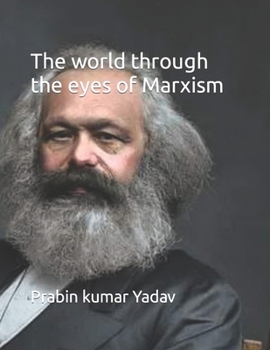
The world through the eyes of Marxism

Analyzing Karl Marx's 19th-century ideas provides a valuable perspective for understanding today's economic and political inequalities globally. This viewpoint is relevant to Nepal, where Marxist thoughts shed light on issues like human nature, societal change, and the ongoing struggle for socialism. The question emerges: can we still apply Marx's ideas to today's complex economic and social systems? Considering the dream of a classless, socialist society sparks thoughts on its practicality in the modern world.
Looking at Nepal's journey, discussions explore the interplay of socialism and democracy, tackling challenges in a shifting landscape. In the realm of education, Marxist views raise questions about propaganda versus liberation, emphasizing the potential for freedom through education.
The narrative of class conflict is explored in the context of the perceived decline of capitalism, echoing Marx's belief in the proletariat overcoming capitalism through a violent revolution. Distinguishing Marxism from communism, the discussion expands to Marx's predictions for the future and the relevance of his ideas today.
Nepal serves as a case study for applying Marxist communism, dealing with the complexities of embracing such a system. The ongoing oppression of the proletariat is examined, shedding light on the fundamental principles of Marxism, Leninism, and Maoism in different sociopolitical contexts. In essence, the discussion revolves around the lasting importance of Marxist principles in understanding and addressing the challenges in today's global economic and political landscape.
Customer Reviews
ThriftBooks ® and the ThriftBooks ® logo are registered trademarks of Thrift Books Global, LLC
